 Ali Rıza Akın
Insulin resistance is one of the biggest metabolic challenges of our time. This condition is not only becoming a disease of adults but unfortunately turning into a global epidemic affecting children as well. Did you know that the key to blood sugar balance and weight control is actually hidden in our intestines?
Recent scientific findings show that our gut flora, consisting of trillions of microorganisms, is the boss of our metabolism before our pancreas or liver. In this blog post, we will focus on two groundbreaking key players in breaking insulin resistance: GLP-1 hormone and the closely related Akkermansia muciniphila bacterium.
The Overlooked Cause of Insulin Resistance: Intestinal Dysbiosis
Insulin resistance occurs when the body's cells do not respond properly to insulin hormone. This leads to the pancreas producing more insulin, eventually paving the way for Type 2 diabetes. Traditionally attributed to excessive calories and inactivity, modern science points to a third and more powerful factor: Imbalance in Intestinal Microbiota (Dysbiosis).
The gut microbiota not only aids in digestion but also:
- Manages Inflammation: An unhealthy microbiota leads to weakening of the intestinal barrier and causes toxins (such as LPS) to leak into the body, resulting in chronic low-grade inflammation that triggers resistance by blocking insulin receptors.
- Produces Short-Chain Fatty Acids (SCFAs): Beneficial bacteria digest fiber to produce SCFAs like Butyrate, Acetate, and Propionate. These acids send signals that increase insulin sensitivity in the liver and muscles.
Metabolism's Superhero: GLP-1 Hormone
GLP-1 (Glucagon-Like Peptide-1) is a hormone released from intestinal cells after meals. Popular weight control medications in recent years mimic the effects of this hormone.
Key Roles of GLP-1 in Insulin Resistance:
- Increases Insulin Secretion: Stimulates the pancreas to increase insulin secretion when blood sugar is high.
- Suppresses Glucagon: Reduces the release of glucagon hormone that prevents excessive sugar production by the liver.
- Provides a Feeling of Fullness: Sends signals of satiety to the brain, reducing appetite and food intake.
- Slows Gastric Emptying: Slows down the entry of sugar into the blood, preventing sudden spikes.
Here's the crucial point: The right bacteria in your intestines can trigger the natural production of this miraculous GLP-1 hormone and reduce the need for expensive injections.
Probiotics Triggering GLP-1 and Akkermansia Muciniphila
Specific bacterial species optimizing GLP-1 secretion constitute one of the most important outcomes of microbiota research. At the forefront of these critical species is Akkermansia muciniphila, essential for intestinal health and highlighted as a next-generation probiotic.
Akkermansia: Guardian of the Intestinal Barrier
Akkermansia muciniphila is a bacterium residing in the intestinal mucus layer and crucial for a healthy intestinal barrier. Low levels of Akkermansia have been frequently observed in the intestines of obese and diabetic patients.
Effects of Akkermansia on Insulin Resistance:
- Repairs Mucus Layer: Thickens and strengthens the intestinal barrier, preventing toxins (LPS) from leaking into the bloodstream and thus reducing chronic inflammation and insulin resistance.
- Triggers GLP-1 Secretion: Metabolites produced while digesting the mucus layer directly stimulate intestinal L cells to promote increased GLP-1 hormone secretion, enhancing the feeling of fullness and balancing blood sugar.
GLP-1 Supported Probiotics
While traditional probiotics (Lactobacillus and Bifidobacterium) are beneficial for digestion and immunity, their ability to directly and strongly trigger GLP-1 is limited. Therefore, the scientific community has turned to the concept of GLP-1 Supported Probiotics.
These next-generation formulations generally include:
- Species that directly increase GLP-1 secretion, such as Akkermansia muciniphila.
- Specific prebiotics (foods) that support the survival and function of these species (e.g., polyphenols or specific fibers).
This synergistic approach aims to optimize the body's self-healing mechanism, that is, the natural production of GLP-1.
Overlooked Risk: Poor Nutrition and Insulin Resistance in Children
Although insulin resistance is generally considered a problem for those over 40, it is rapidly increasing in childhood and adolescence due to modern diets and lifestyles.
Effect of Poor Nutrition on Child Microbiota
The biggest factor leading to insulin resistance in children is the consumption of high-sugar, processed, and low-fiber diets.
- Lack of Fiber: Fast food and packaged foods lack fiber, the essential nutrient source for beneficial bacteria in the intestines (especially Akkermansia). This rapidly reduces microbiota diversity.
- Proliferation of Harmful Bacteria: High sugar encourages the growth of harmful inflammatory bacteria.
- Early Onset Resistance: This imbalance disrupts GLP-1 signaling pathways and triggers insulin resistance at an early age by inducing inflammation. Abdominal fat accumulation, rapid weight gain, and constant craving for sweets in children could be early signs of insulin resistance.
The strongest line of defense against insulin resistance is much closer than you think: Your intestines.
- Goal: Increase the natural production of GLP-1, your body's satiety and balance hormone.
- Path: Support and multiply critical species like Akkermansia muciniphila in your intestines.
To achieve this goal:
- Increase Fiber Intake: Focus on foods rich in prebiotics like onions, garlic, asparagus, and blueberries.
- Harness the Power of Polyphenols: Foods like dark chocolate, grapes, and green tea are rich in polyphenols that nourish Akkermansia.
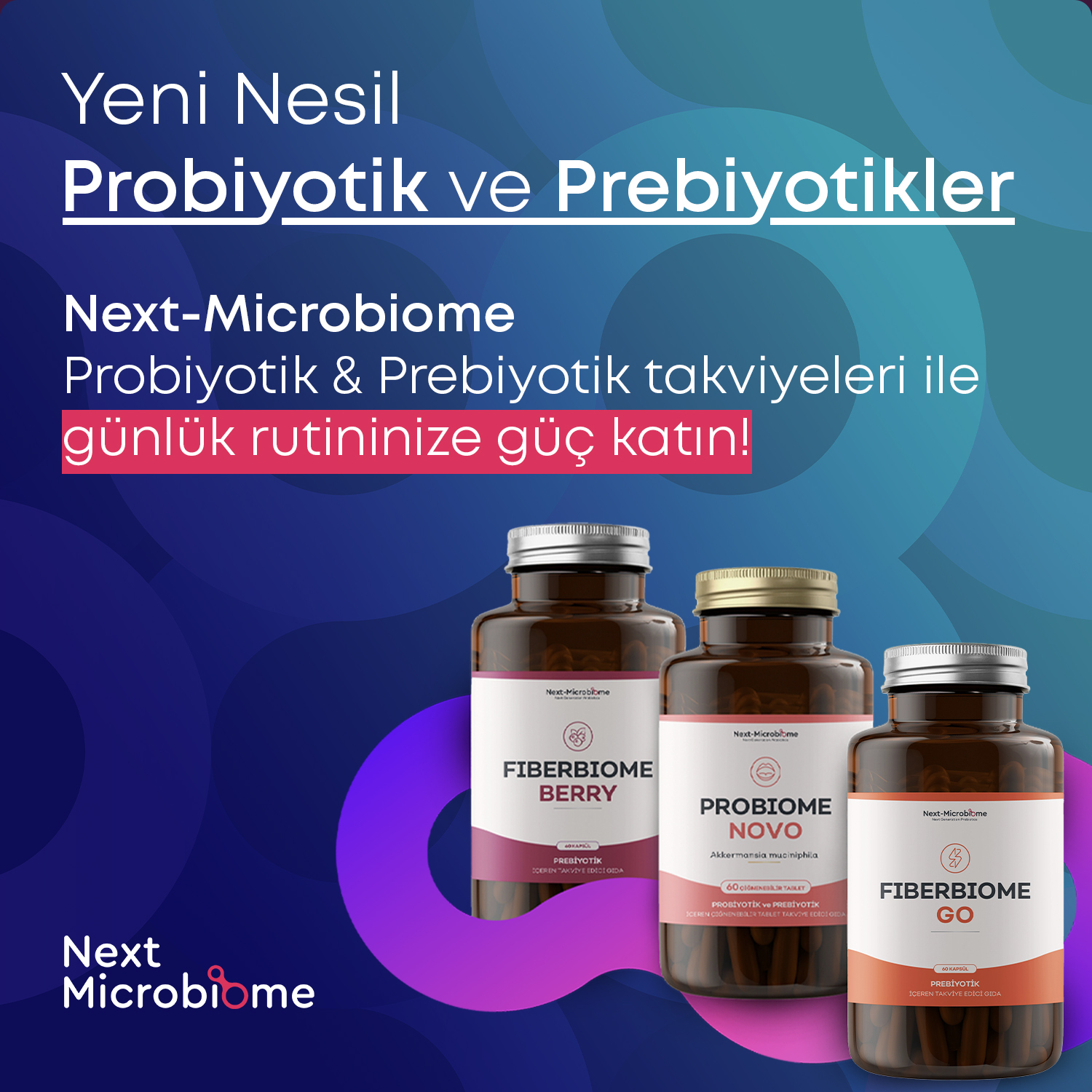
- Explore Next-Generation Probiotics: Consider incorporating special probiotic formulations supporting GLP-1 secretion or containing Akkermansia into your life by consulting your doctor or specialist.
Remember, insulin resistance is not a fate. By nourishing your intestines, you can regain control of your metabolism.
San Francisco, California, USA
Ali R. AKIN