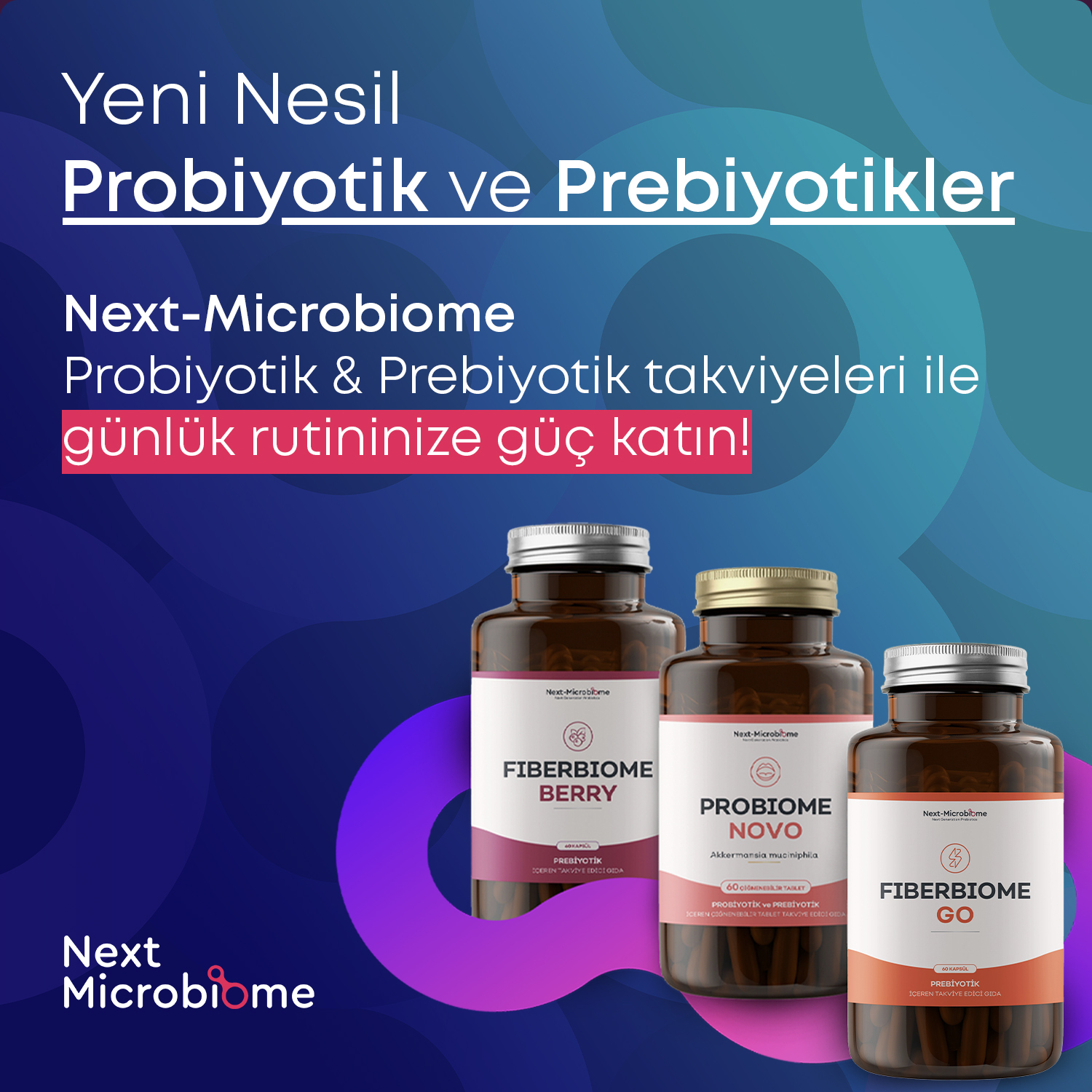
 Ali Rıza Akın
The modern cosmetics industry has convinced us for decades that the skin is merely a surface that can only be intervened with externally. However, the silent revolution in biotechnology is radically changing this perception. We now know that the skin is merely the final destination for complex biochemical signals coming from the gut, immune system, and metabolism. The most strategic operator of this complex signaling network is the Akkermansia muciniphila bacterium, which has been described in recent years by the scientific world as a true "keystone".
Ali Rıza Akın and the Next Microbiome vision see skin care not as "surface engineering" but as a biological restoration protocol. If this strategic bacterium in your gut has eroded, even the most expensive serums cannot create lasting change in your skin. Because the real power that determines the aesthetic capacity of the skin is not the creams applied, but the integrity provided by this "sealing" bacterium in the gut mucosal wall.
If the Gut Wall Is Not Intact, Why Doesn’t the Skin Glow?
The gut epithelium is the most critical boundary line of our body in contact with the outside world. This line has a surface area about the size of a tennis court, and 80% of our body's defense system is located here. Akkermansia is an operator that constantly "gnaws" and refreshes the mucus layer at this boundary and tightens the tight junction proteins that bind epithelial cells together.
When Akkermansia levels drop, this mucosal armor thins and the "seal" loosens. Pathogenic components known in the scientific literature as LPS (Lipopolysaccharide) take advantage of this looseness and leak into the bloodstream. This leakage triggers "low-grade inflammation" in the skin, that is, a low-level, insidious inflammation. This inflammation:
- Disrupts the skin’s microcirculation (prevents nutrients from reaching the cell).
- Reduces moisture retention capacity (by increasing transepidermal water loss).
- Slows down the rate at which cells repair themselves.
Therefore, true skin radiance only emerges when this internal "leakage" is stopped and the biological foundation is restored.
Benefits of Akkermansia for the Skin – Areas of Effect
The effect of Akkermansia on the skin is not a coincidental "healing", but a completely measurable biochemical result. Three main mechanisms are involved in this process:
1. Anti-Glycation Shield
Sugar consumption and irregular blood sugar are the biggest enemies of the skin. Sugar molecules stick to collagen and elastin fibers, making them stiff; this process is called glycation. Akkermansia optimizes metabolic balance and calms blood sugar fluctuations. In this way, it prevents the "petrification" of collagen fibers and forms the strongest internal defense that preserves the skin’s elasticity.
2. Immune Modulation
Sensitive skin, rosacea, eczema, and unexplained redness are faulty "alarm" signals sent by the immune system to the skin. Akkermansia sends a "calm down" command from the gut wall to immune cells. This biological instruction is the fundamental mechanism that soothes inflammatory attacks in the skin.
3. Cellular Oxygenation and Nutrition
The skin receives its nutrients not from the outside, but from the internal blood circulation. When absorption efficiency in the gut increases thanks to Akkermansia, skin nourishment begins at the cellular level. As the quality of nutrients and the amount of oxygen carried by the blood increase, the skin begins to produce its own "glow" effect through a natural process.
Frequently Asked Questions About Akkermansia and Skin Restoration
We answer those critical questions that people seeking a microbiological solution to skin problems are curious about, from a restoration perspective:
- How does Akkermansia deficiency manifest itself in the skin?
The skin becomes dull, its texture coarse and rough. The most obvious sign is that it becomes "reactive"; it shows sudden redness and sensitivity to external factors (sun, mild wind, standard cosmetics) that should not normally trigger a reaction. This is the outward report of a systemic barrier weakness.
- Why not every probiotic, but specifically Akkermansia?
While most probiotics circulate freely in the gut lumen, Akkermansia lives directly within the mucosal layer. The name "Muciniphila" means "mucus-loving". Because it works directly in the architecture of the gut wall, it is much more effective than other strains in barrier repair.
- When does the skin recover with Akkermansia supplementation?
In biological systems, "overnight change" is a marketing illusion. Cellular restoration depends on the renewal cycle of the mucosal layer. In Next Microbiome protocols, visible balance in skin tissue quality and sensitivity is usually stabilized within a period of 60-90 days.
- How does sugar consumption destroy Akkermansia?
Refined sugar feeds pathogenic bacteria that restrict Akkermansia’s habitat. As sugar increases, the sealing bacteria population decreases and collagen breakdown accelerates. In the words of Ali Rıza Akın; "Sugar caramelizes your skin from the inside."
- Does pasteurized (inactive) Akkermansia really work?
Scientific studies (Nature Medicine) confirm that certain cell wall proteins of Akkermansia (such as Amuc_1100) can interact with immune receptors and trigger barrier repair even in inactive form. This is a major advantage for the product’s shelf life and passage through stomach acid.
- Who should definitely consider this restoration?
Those with a history of antibiotics (due to flora reset), those with chronic skin sensitivity, those diagnosed with rosacea/eczema, and those who cannot achieve that "healthy glow" in their skin no matter how much care they take should add this biological repair to their main strategy.
The Ali Rıza Akın and Next Microbiome Difference
We see Akkermansia not as a "marketing trend", but as the most important software update that modern human biology has lost in the contemporary era. While classical approaches try to temporarily cover up symptoms, Next Microbiome deals directly with the "architecture".
Thanks to our SIMS (Simulated Intestinal Microbial System) technology, we simulate in the laboratory environment how the restoration we offer will form a biochemical bond with the gut wall. This is an engineering-based biotechnology vision that leaves no room for chance.
"If that thin armor in your gut mucosa is pierced, even if you apply the world’s highest quality cream, you cannot protect your skin. True beauty is about how tightly your epithelial cells cling to each other." — Ali Rıza Akın
Scientific References and Bibliography
- Nature Medicine (2019): Clinical study on the metabolic and barrier safety of Akkermansia muciniphila supplementation.
- NCBI (PMC9311318): Molecular communication lines between the skin microbiome and gut health.
- Journal of Clinical Medicine (2021): Relationship between sensitive skin symptoms and gut-derived inflammation.
- Frontiers in Microbiology (2017): Akkermansia muciniphila: Next-generation biological restoration agent.
- Next Microbiome Technical Archive: SIMS Modeling and Stabilization Protocols developed by Ali Rıza Akın.
Disclaimer: This information is for educational purposes only and should not be considered medical advice. Consult a healthcare professional for personalized guidance on the subject.
San Francisco, California, USA
Ali Rıza AKIN