 Ali Rıza Akın
The human metabolism works like an extraordinary biological clock, instantly responding to external stimuli. In recent years, when it comes to weight management and appetite control, all signs point to one thing: GLP-1 (Glucagon-Like Peptide-1). This valuable hormone secreted from our intestines not only balances blood sugar, but also acts as one of the strongest messengers sending the "we are full" signal to our brain. In the modern world, the search for non-pharmaceutical, completely biological and sustainable methods to increase this hormone is more popular than ever.
Activating our body's own pharmacy, that is, triggering GLP-1 production naturally, actually starts with correctly understanding our internal ecosystem (microbiota). In this guide, we will examine the scientific ways to increase GLP-1 levels, from nutritional habits to exercise routines, and its deep connection with gut health.
How to Naturally Increase GLP-1 Hormone?
The main center responsible for GLP-1 secretion in our body is the special "L cells" located on the surface of the small and large intestines. The most effective way to awaken these cells is to send them the right biochemical messages. Natural increase strategies focus on enhancing the sensitivity of these cells and prolonging the lifespan of the secreted hormone in the body.
The basic formula for natural increase is the right fiber structure, specific food groups, and the quality of the mucus layer on the intestinal wall. The healthier the gut barrier, the more effectively L cells interact with food, and the stronger the GLP-1 secretion becomes.
Which Foods Increase GLP-1?
Our choices in the kitchen are actually instructions we give to our hormones. Some food groups have the ability to activate the GLP-1 mechanism from the moment they enter the digestive system:
- Polyphenol-Rich Foods: Polyphenol sources such as green tea, pomegranate, grape seed, and blueberries help the proliferation of bacteria (especially Akkermansia) that trigger GLP-1 secretion by positively altering the gut flora.
- Healthy Fats (MUFA and PUFA): It is known that monounsaturated fatty acids found especially in olive oil, avocado, and nuts stimulate L cells and strengthen the post-meal GLP-1 response.
- Omega-3 Fatty Acids: Omega-3 found in seafood and some plant sources can accelerate hormonal transmission by increasing cell membrane sensitivity.
Scientific Source: Hira, T., et al. (2014). The effects of nutrients on GLP-1 secretion. Journal of Diabetes Investigation. https://doi.org/10.1111/jdi.12214
Which Fibers Trigger GLP-1 Secretion?
Not all fibers are the same. In the world of GLP-1, the real heroes are soluble fibers that can be fermented by friendly bacteria in the gut. The "short-chain fatty acids" (SCFA) produced when these fibers are broken down in the gut, especially butyrate and propionate, are the strongest natural stimulants for GLP-1 production.
- Beta-Glucan: Abundant in oats and barley. It slows digestion, allowing L cells to interact with food for a longer period.
- Inulin and Fructooligosaccharides (FOS): These prebiotic fibers found in vegetables such as artichoke, asparagus, onion, and garlic directly nourish the cells that produce GLP-1.
- Resistant Starch: This structure found in cooled potatoes or legumes reaches the large intestine undigested and maximizes hormonal activity there.
Does Exercise Affect GLP-1 Levels?
Moving is not just about burning calories, but also a hormonal reset process. Studies show that both moderate-intensity cardio exercises and high-intensity interval training (HIIT) can acutely and chronically increase circulating GLP-1 levels.
During exercise, the muscles' need for glucose increases and gut motility changes. This dynamic process encourages hormone secretion from intestinal cells. Especially in individuals who exercise regularly, the post-meal GLP-1 response has been observed to be much faster and more effective. This scientifically explains why those who exercise can control their appetite more easily.
Scientific Source: Martins, C., et al. (2015). The effect of exercise on appetite hormones. Medicine & Science in Sports & Exercise. https://doi.org/10.1249/MSS.0000000000000658
Does a Protein-Rich Diet Increase GLP-1?
Proteins are much more adept than carbohydrates at creating a feeling of fullness, and one of the main reasons for this is their effects on GLP-1. The amino acids released as a result of protein digestion (especially glutamine and leucine) bind to specific receptors on L cells in the intestines and directly trigger hormone secretion.
When you consume a high-protein meal, gastric emptying slows down and GLP-1 levels remain high for a longer period. This ensures a continuous "energy intake is sufficient" signal is sent to the brain, creating a tendency to eat less at the next meal. However, a balanced intake of protein and fiber combination is valuable for achieving the highest biological efficiency.
Innovation in Microbiota Science: Ali Rıza Akın and Next Microbiome
Approaching metabolic balance not as a temporary externally intervened process, but as a biological engineering art, Ali Rıza Akın sees maximizing GLP-1 levels through natural mechanisms as the most advanced dimension of modern medicine. According to Akın, the way to maximize the production capacity of this hormone is to manage the "microbial craftsmen" settled on the intestinal wall with the right strategy.
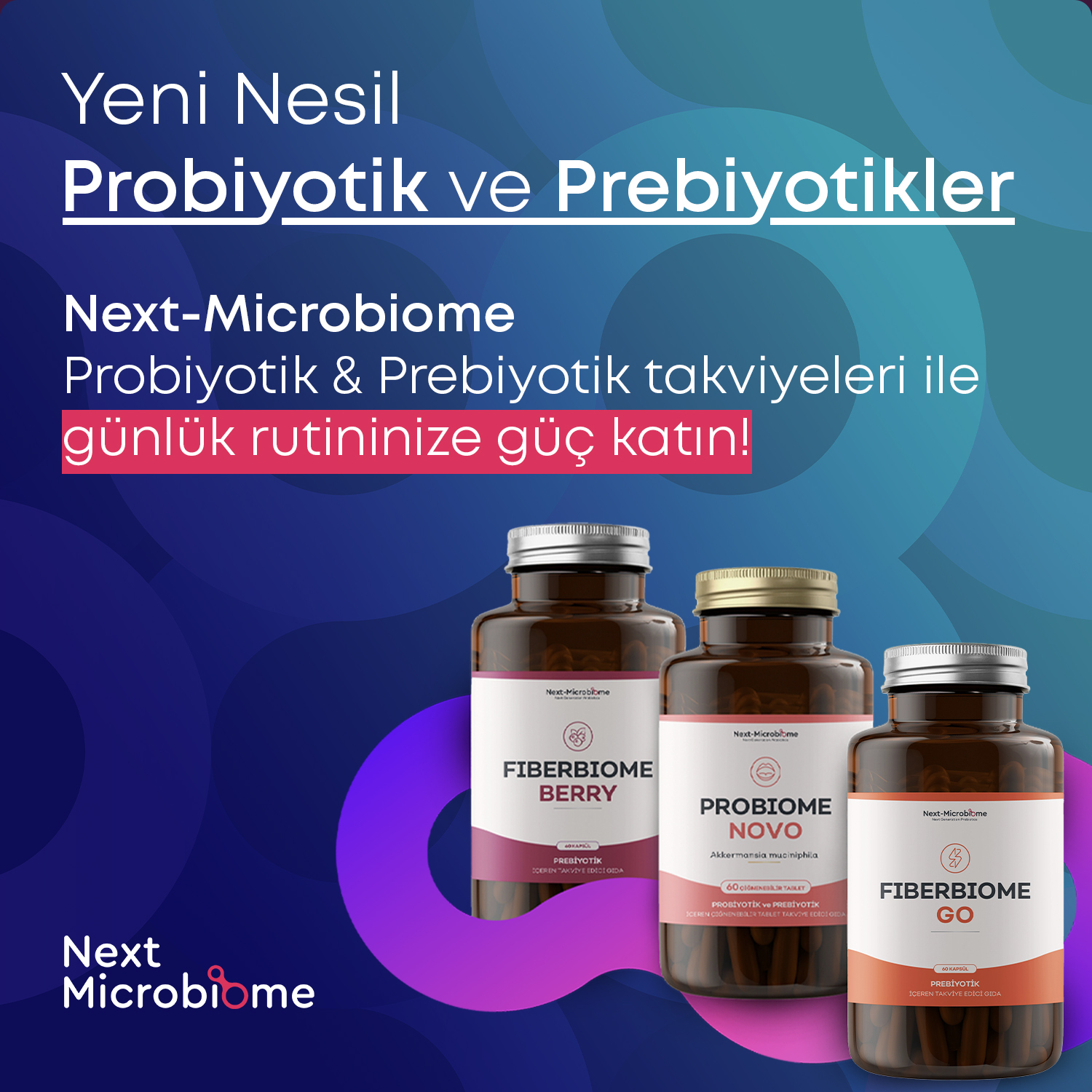
The most concrete fruit of this vision, Probiome-NOVO, acts as an "ecosystem designer" brought to life by Ali Rıza Akın's patented inventions. Instead of passively supporting the Akkermansia bacterium, this formulation aims to eliminate chronic barriers such as leaky gut, insulin resistance, and systemic inflammation by revitalizing its mucosal renewal rhythm. The stronger the structural integrity of the intestinal mucosa, the more uninterrupted the natural GLP-1 secretion becomes.
Across the ocean, this special formula, which has made a splash in the US market under the name Boost Synergy GLP-1, initiates a new era in weight management and metabolic well-being by activating the body's own resources. These solutions, blended with Akın's "Live As Long As Your Bacteria" philosophy, represent a discipline shaped entirely under the guidance of clinical data, rejecting the ordinary supplement approach. Especially the implemented SIMS model measures the interaction of each developed component on the gut surface in advance with digital and biological simulations, turning the expected success from an assumption into scientific certainty.
Why Does Next Microbiome Make a Difference?
- Local Technology at Global Standards: These innovations, which prove Turkey's biotechnological power to the world, are at the top segment of international quality norms.
- Precise and Targeted Formulations: Instead of settling for generic yogurt probiotics, point solutions that directly respond to individual microbiota types and biological needs.
- Radical Change and "Keystone" Bacteria: By focusing on key species such as Akkermansia that maintain the entire system's balance, it not only addresses symptoms but also builds the health profile of the future today.
Instead of leaving your well-being to chance or outdated methods, make room for this scientific approach that deciphers the codes of biology. Ali Rıza Akın and Next Microbiome are restructuring your inner ecosystem with tomorrow's biotechnological standards. This journey, which will begin with the change of a single cell in your intestines, has the power to transform your entire life energy. Take a new step with the guidance of Next Microbiome to discover your microbiota potential and regain your natural balance!
Disclaimer: This information is for educational purposes only and should not be considered medical advice. Consult a healthcare professional for personalized guidance on the subject.
San Francisco, California, USA
Ali Rıza AKIN