 Ali Rıza Akın
In the modern medical world, the understanding of health focuses not only on the functioning of organs but also on the vast communication network created by the "invisible partners" in our bodies. One of the most critical nodes of this network, GLP-1 (Glucagon-Like Peptide-1), is a strategic hormone that governs many processes from appetite control to sugar balance. However, recent research shows that the production capacity of this hormone is directly related not only to our genetics but also to the boundless living world in our intestines, namely the microbiota.
This new perspective, which sees our intestines not just as a digestive tube but as a biochemical messaging center, opens a new chapter in weight management and metabolic well-being. In this guide, we will examine the effect of gut microbiota on GLP-1 secretion, the Akkermansia miracle, and the prebiotic-postbiotic synergy in the light of scientific data, with advisory information.
How Does Gut Microbiota Affect GLP-1 Secretion?
GLP-1 production in our body is carried out by "L-cells" located in the intestinal wall. However, these cells do not work alone; they act according to signals from the microbial environment inside the gut. The microbiota acts like a chef, sending "secrete" or "wait" commands to these cells through the metabolites it produces by breaking down the food we eat.
Especially short-chain fatty acids (SCFA) released as a result of the fermentation of fibrous foods are the most potent factors that trigger natural GLP-1 secretion by stimulating specific receptors on L-cells. Therefore, the richer and more balanced the diversity of bacteria in the gut, the more optimized the body's capacity to produce that precious hormone that balances appetite and sugar can be.
Akkermansia Muciniphila and the GLP-1 Connection
The brightest star in the world of microbiota in recent times is undoubtedly the bacterium Akkermansia muciniphila. Living in the protective mucus layer of the intestines, this special bacterium not only maintains barrier integrity but also plays a leading role in metabolic processes.
Scientific observations show a linear relationship between the increase in the amount of Akkermansia and GLP-1 levels. While renewing the mucus layer, this bacterium can directly stimulate L-cells through its special interaction with intestinal cells. This allows the body to produce its own natural appetite suppressant and sugar balancer more efficiently. In short, the presence of this keystone bacterium in your intestines is considered one of the most critical factors determining the biological speed of your metabolism.
Scientific Source: Cani, P. D., & de Vos, W. M. (2017). Next-generation beneficial microbes: The case of Akkermansia muciniphila. Frontiers in Microbiology. https://doi.org/10.3389/fmicb.2017.01765
Do Prebiotics Support GLP-1 Production?
Prebiotics are special fibers that serve as "biological fuel" for friendly bacteria. However, the importance of these fibers is not limited to feeding bacteria; the real miracle lies in the outputs of this feeding process.
- Synergistic Effect: When prebiotics (inulin, fructooligosaccharides, etc.) are fermented in the gut, fatty acids such as butyrate and propionate are released.
- Hormonal Trigger: These outputs are known as the strongest stimulants for L-cells. In other words, adopting a diet rich in prebiotics is one of the most sustainable steps that can be taken to operate the body's own GLP-1 factory at full capacity.
Choosing the right prebiotic source is considered a supportive strategy for balancing that sensitive ecosystem within us and keeping hormonal responses more vibrant.
The Effect of Postbiotics on GLP-1
The newest link in microbiome science, postbiotics are biologically active components left behind from the life cycles of bacteria. Although they do not contain live microorganisms, they have very strong signaling effects on the body.
Postbiotics can directly bind to receptors in the intestinal epithelium to suppress systemic inflammation and improve cellular signal transmission. Some studies indicate that postbiotic components may support GLP-1 production pathways and enhance metabolic adaptation. This offers an innovative approach to supporting hormonal balance without straining the gut flora, especially for individuals with sensitive digestive systems.
Innovation in Microbiota Science: Ali Rıza Akın and Next Microbiome
Defining metabolism not as a problem area requiring external intervention, but as a magnificent self-regulating engineering system, Ali Rıza Akın sees optimizing GLP-1 production as the most advanced point reached by modern biotechnology. According to Akın, true success lies in making the natural "production lines" in the gut functional again with microbial allies and biological keys, instead of imposing an artificial burden on the body from the outside.
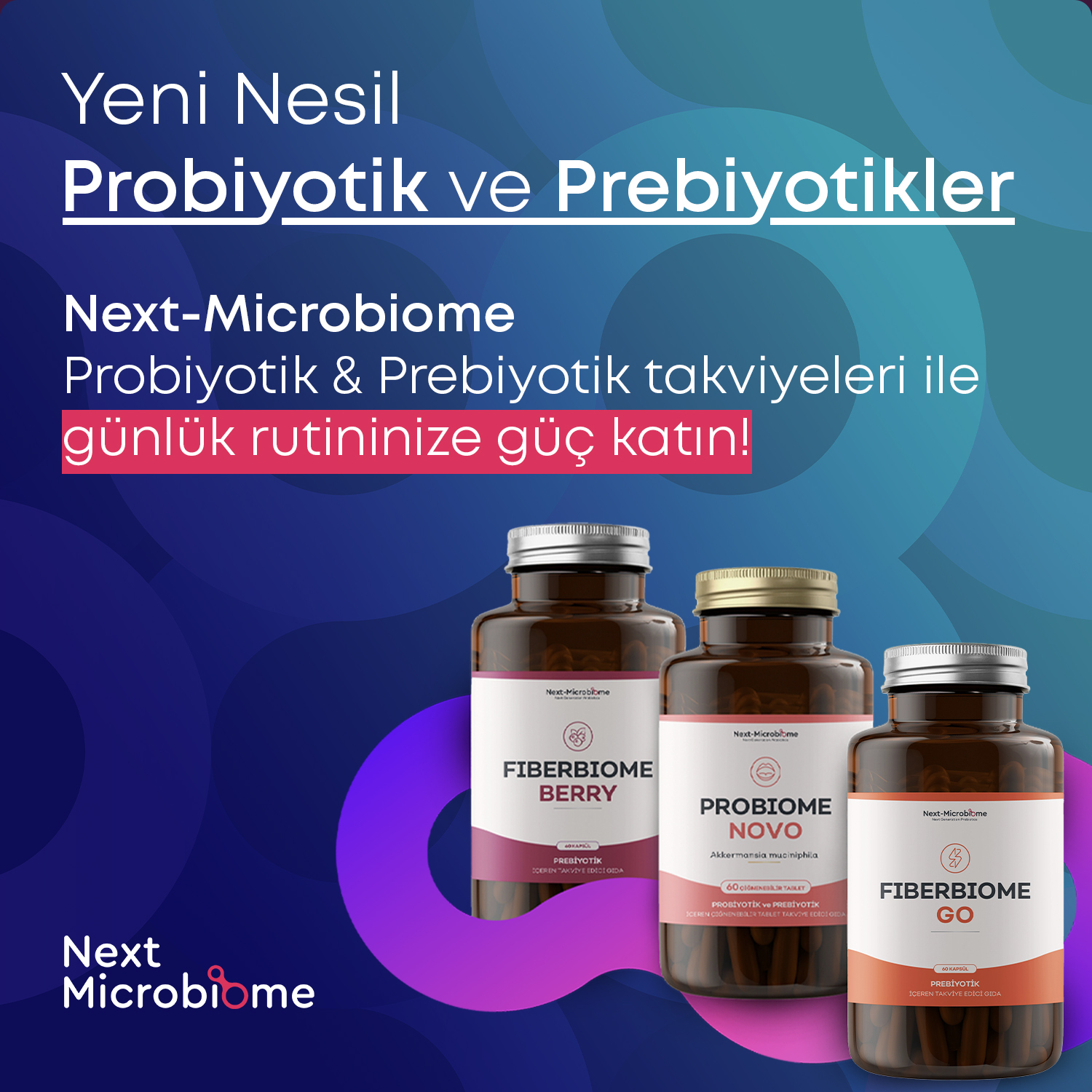
A concrete result of this visionary perspective, Probiome-NOVO is a comprehensive "biological restoration" tool brought to life by Ali Rıza Akın's patented inventions. This formulation not only feeds keystone bacteria such as Akkermansia; it also thickens the intestinal mucus layer and stabilizes the micro-environment around GLP-1 producing cells. The more resilient the gut barrier and the richer the internal ecosystem, the stronger and more lasting the body's natural GLP-1 response can be.
Internationally, especially in the US market, this approach, strategically positioned under the name Boost Synergy GLP-1, aims to establish a new standard in weight management and sugar balance by awakening the body's own resources. These solutions, shaped by Akın's "Live As Long As Your Bacteria" philosophy, are designed entirely under the guidance of clinical data, far from random ingredients. The developed SIMS model digitally and biologically simulates the interaction of each component on the gut surface in advance, offering the level of well-being to be achieved within a framework of scientific certainty.
The Next Microbiome Difference
- Local Biotechnology at International Standards: These innovations, which carry Turkey's technological power to global scientific platforms, are produced at the highest quality standards worldwide.
- Precise and Personalized Strategy: Going beyond the traditional and one-size-fits-all probiotic approach, it develops pinpoint formulations that directly respond to personal microbiota types and cellular needs.
- Root Protection with Keystone Bacteria: By focusing on key species such as Akkermansia that ensure the entire balance of the ecosystem, it not only provides symptomatic relief but also plans long-term health gains.
Instead of leaving your well-being to the flow of uncertain methods or limited-effect traditional habits, open up to this scientific perspective that deciphers the codes of biology. Ali Rıza Akın and Next Microbiome are rebuilding your inner world today with tomorrow's health standards. Make a fresh start under the guidance of Next Microbiome to discover the natural potential in your gut and support your life energy with scientific data!
Disclaimer: This information is for educational purposes only and should not be considered medical advice. Consult a healthcare professional for personalized guidance on the subject.
San Francisco, California, USA
Ali Rıza AKIN