 Ali Rıza Akın
In the last decade, the science of microbiota has evolved from a simple concept of "intestinal health" to the center of human physiology. One of the key players in this revolution is a bacterium known in the scientific world as the "Next-Generation Probiotic" called Akkermansia muciniphila.
Unlike standard probiotics (such as Lactobacillus found in yogurt or kefir), Akkermansia is a delicate bacterium that lives in an oxygen-free environment and is extremely difficult to produce. However, behind this delicate structure lies a massive power that governs human metabolism.
So, what molecular mechanisms does the absence of this bacterium disrupt in our bodies? Here is the chain of biological events that occur in the absence of Akkermansia.
1. Fundamental Breakdown: Halting the "Mucus Cycle"
Akkermansia gets its name from feeding on mucus (the protective gel layer covering the intestinal wall). This is not parasitism but a mutualistic relationship.
- Healthy State: Bacteria consume old mucus > Goblet cells are stimulated > New and fresher mucus is produced.
- Deficiency State: Without Akkermansia, the signal for mucus renewal is interrupted.
Result: The intestinal barrier (epithelial tissue) becomes thinner. Just like the walls of a castle eroding, the intestinal wall is left defenseless. This situation leads to direct contact between pathogens and antigens (foreign substances) with the immune system.
2. Metabolic Endotoxemia and "Silent Inflammation"
The most dangerous clinical consequence of Akkermansia deficiency is the increase in LPS (Lipopolysaccharide) levels in the blood.
- Toxins of LPS on the outer surface of Gram-negative harmful bacteria seep into the bloodstream from the compromised intestinal barrier.
- The immune system detects this toxin and activates the TLR4 (Toll-Like Receptor 4) pathway.
- Inflammatory cytokines such as TNF-α and Interleukin-6 are secreted.
Scientists call this condition "Metabolic Endotoxemia." The individual does not feel "sick," does not have a fever; however, there is a constant, low-level inflammation in the body. This inflammation is the fundamental cause of obesity and diabetes.
3. Molecular Communication Error: Amuc_1100 Protein and Insulin Resistance
Groundbreaking research published in Nature Medicine discovered a special protein called Amuc_1100 on the outer membrane of Akkermansia. This protein directly "communicates" with our intestinal cells.
When Akkermansia is deficient, this protein is not present in the environment, leading to the following issues:
- Insulin Resistance: Cells stop responding to insulin signals, leading to increased blood sugar levels.
- Mitochondrial Dysfunction: The energy powerhouses of cells, mitochondria, start functioning inefficiently. This results in chronic fatigue and the cessation of fat burning.
4. Relationship Between the Immune System and Cancer Treatment
Perhaps the most surprising scientific finding is the relationship between Akkermansia and cancer treatments.
Studies published in Science show that cancer patients receiving Immunotherapy (PD-1 blockers) had a much better response to treatment when their intestines had high levels of Akkermansia. Its deficiency can reduce the immune system's ability to recognize cancer cells (Research in this area is still ongoing intensively).
Why Does Akkermansia "Disappear"?
This bacterium is innate, but our lifestyle kills it. Scientific risk factors leading to deficiency include:
- Western Diet (High Fat/Sugar): This diet type alters the composition of bile acids in the intestines, poisoning Akkermansia.
- Lack of Fiber (MAC Deficiency): When Microbiota-Accessible Carbohydrates (MAC) are lacking, Akkermansia cannot proliferate.
- Broad-Spectrum Antibiotics: By creating a forest fire effect in the intestinal ecosystem, it destroys this delicate species.
- Aging: Naturally decreases with age, contributing to increased inflammation in the elderly (inflammaging).
Scientific Solution: How to "Hack" Akkermansia Levels?
The difficulty of Akkermansia in living and proliferating in an oxygen-free environment has long prevented it from being included in traditional probiotic supplements. However, recent scientific and technological advancements have overcome this challenge.
Here is the proven "Nutritional Engineering" that increases the Akkermansia population:
A. Polyphenols (Bacterium's Fertilizer)
Polyphenols are plant defense compounds that Akkermansia particularly loves.
- Ellagic Acid: Pomegranate, walnut, strawberry.
- Proanthocyanidins: Cranberry, blueberry.
- Catechins: Green tea.
B. Special Fibers
Not all fibers are the same. This bacterium especially loves the following:
- Inulin and FOS (Fructooligosaccharides): Onion, garlic, asparagus, Jerusalem artichoke.
- Resistant Starch: Cooled potatoes, green bananas.
The deficiency of Akkermansia in our bodies is not just about "gaining a little weight" or "experiencing bloating." This situation leads to the collapse of the intestinal barrier, the mixing of toxins into the blood, and the transformation of the entire system into a chronic inflammation site.
Science shows us that the medicine of the future will be based not only on suppressing symptoms with drugs but also on replacing these "lost protectors" within us.
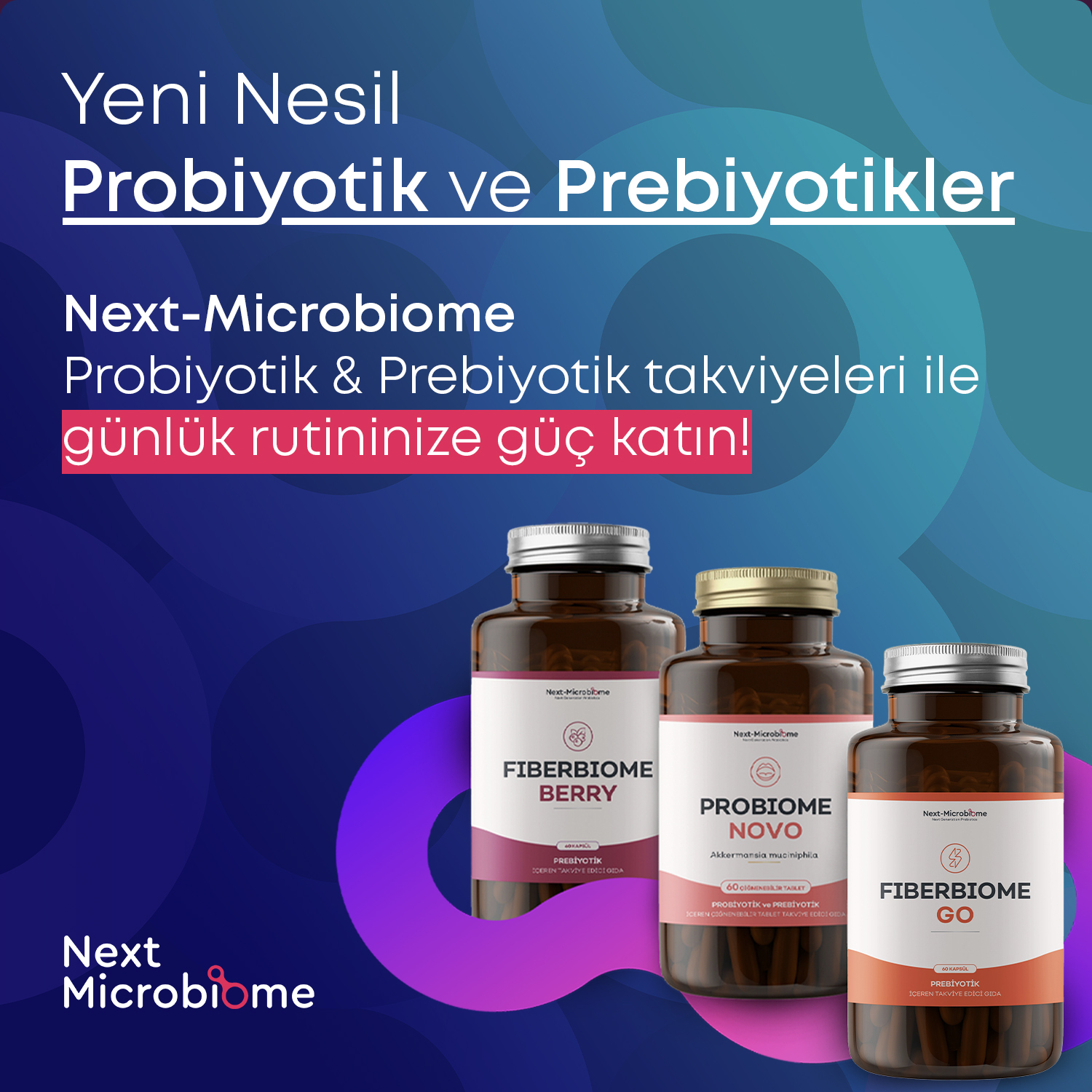
Chewable Akkermansia Probiotic Tablets
The production challenges arising from the delicate nature of Akkermansia are being overcome thanks to modern technology. Among these innovative approaches, formulations such as chewable tablets stand out. This practical format eliminates the need to swallow large capsules, providing great flexibility for regular intake for different user profiles.
Thanks to this accessibility, Akkermansia supplementation has transitioned from being solely of interest to experts to becoming an active tool in maintaining general metabolic and immunological health. The proven roles of Akkermansia muciniphila in the scientific literature make it one of the leading actors in microbiota science:
- Metabolic Homeostasis: This bacterium plays a key role in maintaining insulin sensitivity and serves as an important defense mechanism against metabolic imbalances leading to obesity.
- Comprehensive Immunomodulation: It offers potential contributions to managing autoimmune processes. Additionally, there are remarkable scientific data indicating that it enhances the immune response against immunotherapy agents in oncological treatments.
- Gastrointestinal Healing: By restoring the structural integrity of the intestinal barrier, it supports the management of chronic digestive system complaints such as IBS (Irritable Bowel Syndrome) and IBD (Inflammatory Bowel Diseases).
This convenience provided by chewable probiotic forms accelerates the integration of Akkermansia into our body's natural defense and balance mechanisms.
San Francisco, California, USA
Ali R. AKIN