 Ali Rıza Akın
In today's rapidly changing living conditions, the gut microbiota, considered the epicenter of our health, is one of the most focused topics in the scientific world. Among the trillions of microorganisms that maintain balance in our body's internal ecosystem, the recently discovered Akkermansia probiotic species, referred to as "next-generation probiotics," stand out with their potential benefits.
What is Akkermansia Probiotic and Why is it Different?
Unlike classic probiotics, Akkermansia species live in the mucus (mucin) layer located on the intestinal epithelium, which acts as a protective shield. Its most fundamental unique feature is its ability to use this mucin layer directly as a food source.
This feeding method triggers a natural mechanism that encourages the intestinal wall to constantly renew itself. As Akkermansia utilizes this layer, the body is stimulated to produce a fresher and stronger mucus barrier. This dynamic process can provide an invaluable contribution to the maintenance of intestinal integrity. (Derrien M. et al., 2017)
What Does Akkermansia Probiotic Do?
The presence of this "smart guardian" bacterium in our intestines can play multifaceted roles in the overall functioning of the body:
- Supporting Barrier Function: By strengthening the tight junctions between intestinal cells, it can help form a barrier that makes it harder for unwanted substances to pass into the bloodstream. (Lukovac S. et al., 2014)
- Immune Modulation: By staying in constant communication with the immune system, it can contribute to balanced and measured responses of defense mechanisms. (Naito Y. et al., 2018)
- Metabolic Adaptation: Recent studies suggest that it may play a regulatory role in metabolic processes such as energy expenditure and glucose balance. (Dao M. C. et al., 2016)
Nutrition Strategies to Support Akkermansia Levels
Akkermansia probiotic species are generally not taken directly through foods; instead, it is of great importance to support the existing population in the gut with the right nutrients. Today, it is possible to establish a diet that includes the components favored by this bacterium:
- Polyphenol-Rich Foods: It is thought that antioxidant-rich foods such as pomegranate, prune, blueberry, and green tea may help Akkermansia colonize more easily in the intestines. (Anhe F. F. et al., 2015)
- Selective Fiber Sources: Certain special prebiotic fibers can prepare the nutritional ground needed by this bacterium and support the balance of its population.
Its Role in Weight Management and Metabolic Health
Another reason for the scientific world's interest in Akkermansia probiotic species is their relationship with weight management. Research has shown that the density of this bacterium tends to be higher in individuals with a healthy body composition compared to those experiencing metabolic challenges.
The bacterium's potential positive effects on insulin sensitivity and fat metabolism may make it a valuable part of a healthy lifestyle. However, it should be remembered that these effects can be more effective when combined with a balanced diet and an active lifestyle. (Depommier C. et al., 2019)
What Can Happen in Case of Deficiency?
A decrease in this friendly bacterium in the gut microbiota is generally associated with weakening of the intestinal barrier and low-grade inflammation processes. Factors such as stress brought by modern life, processed foods, and antibiotic use can disrupt this balance. Therefore, maintaining microbiota diversity is critical not only for the digestive system but for the well-being of the entire body. (Cani P. D. & de Vos W. M., 2017)
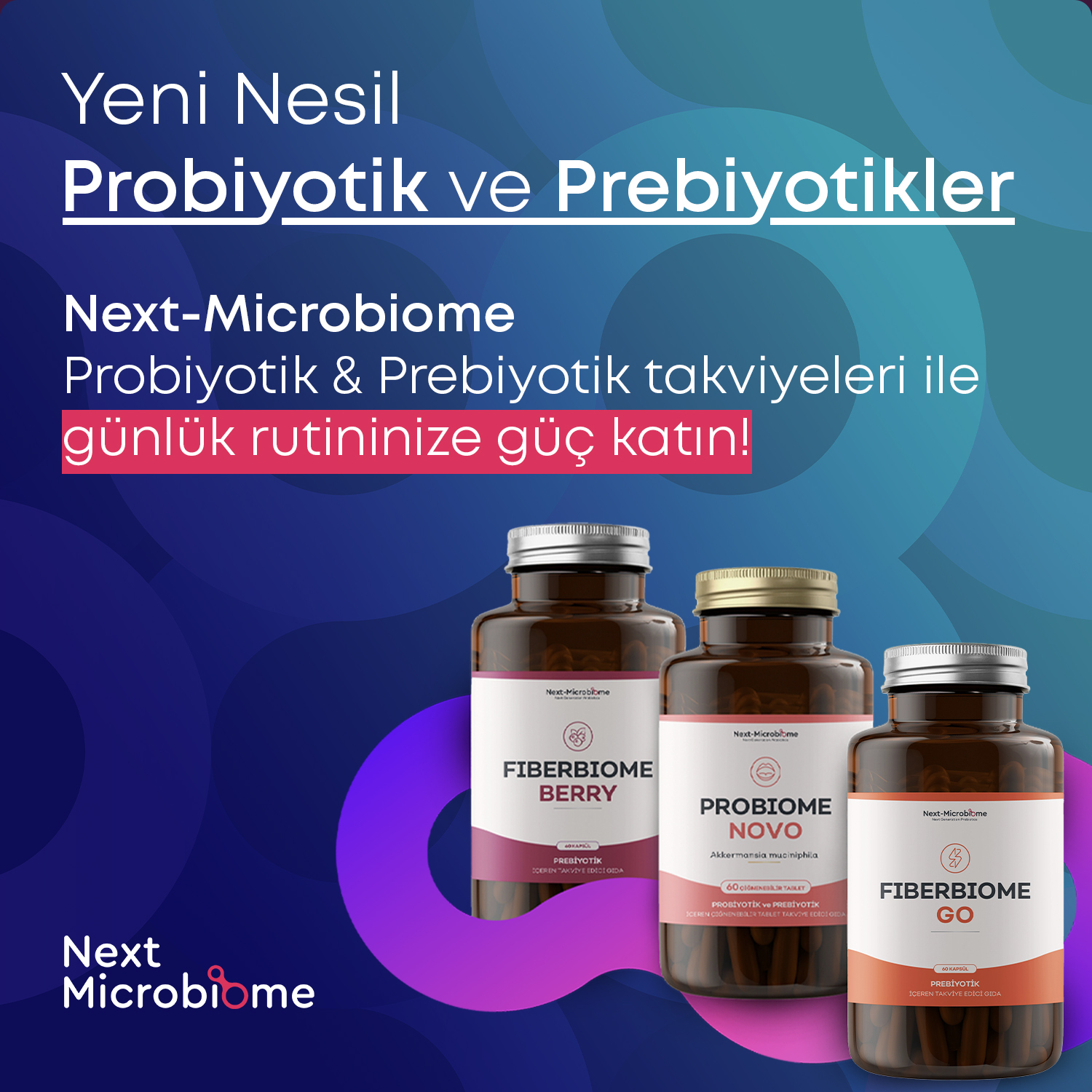
Supplements Containing Akkermansia Probiotic: Probiome-Novo
Advancing technology has made it possible to offer this sensitive bacterium and the mechanisms supporting it in supplement form. Probiome-Novo stands out as a product of the scientific accumulation in this field.
The product is not just a probiotic supplement; it offers a "multi-layered" formulation in which prebiotic, probiotic, and postbiotic components work in harmony. This structure aims to provide the support needed by the gut ecosystem in a holistic way. This innovative product by the Next Microbiome brand is a modern solution partner that guides the body to find its natural balance.
A Holistic Perspective: Ali Rıza Akın’s Health Vision
The process of improving our gut health begins with understanding and respecting the internal dynamics of our body. Ali Rıza Akın defines health not just as an outcome, but as a balance that must be carefully maintained every day.
The solutions offered with the Next Microbiome vision aim to help individuals support their own bodies from within. Next-generation approaches like Probiome-Novo are tools designed to improve quality of life in the light of scientific data.
In conclusion; supporting these tiny yet effective helpers in your gut can open the doors to a more energetic and balanced life in the long term. Since each individual's microbiota structure is unique, consulting a healthcare professional to create the most suitable plan for your current situation before starting a new supplement program is the most conscious approach for sustainable health.
Scientific References
Derrien, M., et al. (2017). The role of Akkermansia muciniphila in the immune system and metabolism. Frontiers in Microbiology. https://doi.org/10.3389/fmicb.2017.01765
Lukovac, S., et al. (2014). Differential modulation of host peripheral lipid metabolism by Akkermansia muciniphila and Faecalibacterium prausnitzii. mBio. https://doi.org/10.1128/mBio.01438-14
Naito, Y., et al. (2018). A next-generation beneficial microbe: Akkermansia muciniphila. Journal of Clinical Biochemistry and Nutrition. https://doi.org/10.3164/jcbn.18-71
Dao, M. C., et al. (2016). Akkermansia muciniphila and improved metabolic health during dietary intervention for obesity. Gut Journal. https://doi.org/10.1136/gutjnl-2014-308778
Anhe, F. F., et al. (2015). Polyphenol-rich cranberry extract protects against diet-induced obesity, insulin resistance, and intestinal inflammation, associated with increased Akkermansia muciniphila. Gut Journal. https://doi.org/10.1136/gutjnl-2014-307234
Depommier, C., et al. (2019). Supplementation with Akkermansia muciniphila in overweight and obese human volunteers: a proof-of-concept exploratory study. Nature Medicine. https://doi.org/10.1038/s41591-019-0495-2
Cani, P. D., & de Vos, W. M. (2017). Next-generation beneficial microbes: the case of Akkermansia muciniphila. Frontiers in Microbiology. https://doi.org/10.3389/fmicb.2017.01765