 Ali Rıza Akın
In today's rapidly changing living conditions, the microbiota—one of the most invisible yet effective protectors of our health—stands at the forefront of topics most emphasized by the scientific world. This massive community formed by trillions of microorganisms living with our bodies is not just a cluster of bacteria, but functions like a dynamic organ that governs our overall well-being.
Defining gut health as a holistic state of balance, Ali Rıza Akın and the Next Microbiome team shed light on the mysterious world of this inner ecosystem and its critical role in our lives with their science-based vision.
What is Microbiota and Why is it Important?
Microbiota is the name given to the complex ecosystem of microorganisms such as bacteria, viruses, and fungi that colonize various parts of our body, especially our intestines. Each individual's microbiota structure is as unique as a fingerprint and begins to form from the moment of birth.
The colon, where this ecosystem is most densely located, is also referred to as the body's second brain. Recent studies suggest that the number of these micro-organisms may even exceed our own cells. This makes the microbiota one of the cornerstones of our health. (Hill C. et al., 2014)
What Does the Microbiota Do?
The job description of these silent partners in our gut covers almost all bodily functions. Here are some critical functions undertaken by the microbiota:
- Support for Digestion and Metabolism: By helping to break down certain fibers and carbohydrates that the body cannot digest on its own, it can provide energy to cells through the short-chain fatty acids produced in this process.
- Training the Immune System: By maintaining constant dialogue with immune cells, it can support the system to become more resistant to external threats and to learn when to respond.
- Maintaining Barrier Integrity: By covering the intestinal wall like armor, it can create a barrier that helps prevent unwanted substances from leaking into the bloodstream. (Belkaid Y. & Hand T.W., 2014)
What are the Main Features of the Microbiota?
There are some key characteristics that define a healthy microbiota ecosystem:
- Diversity: A high number of species in the gut can contribute to the ecosystem being more resilient to external stress factors.
- Balance (Homeostasis): Maintaining the balance between friendly bacteria and opportunistic microorganisms is considered critical for the body's overall well-being.
- Individual Structure: Continuously evolving with age, dietary habits, and environmental factors, this structure is a dynamic process that directly affects an individual's quality of life. (Lloyd-Price J. et al., 2016)
Benefits of Microbiota on the Body
A balanced microbiota profile not only ensures digestive comfort but can also bring about a systemic state of well-being:
- Optimization of Energy Levels: By helping to synthesize vitamins (especially B and K vitamins), it can support the body's energy balance.
- Metabolic Adaptation: By playing a regulatory role in blood sugar and fat metabolism, it is thought to contribute to maintaining a healthy body composition.
- Mental Clarity: Through its communication with the nervous system via the gut-brain axis, it is predicted to have positive effects on mood and concentration. (Cryan J.F. & Dinan T.G., 2012)
Protecting and Improving Microbiota Health
Processed foods and high stress brought by modern life can disrupt this delicate balance (dysbiosis). A holistic approach should be adopted to support the microbiota:
- Polyphenol and Fiber-Focused Nutrition: A vegetable-based and polyphenol-rich (such as green tea, grape seed) diet can help create an environment favorable to friendly bacteria.
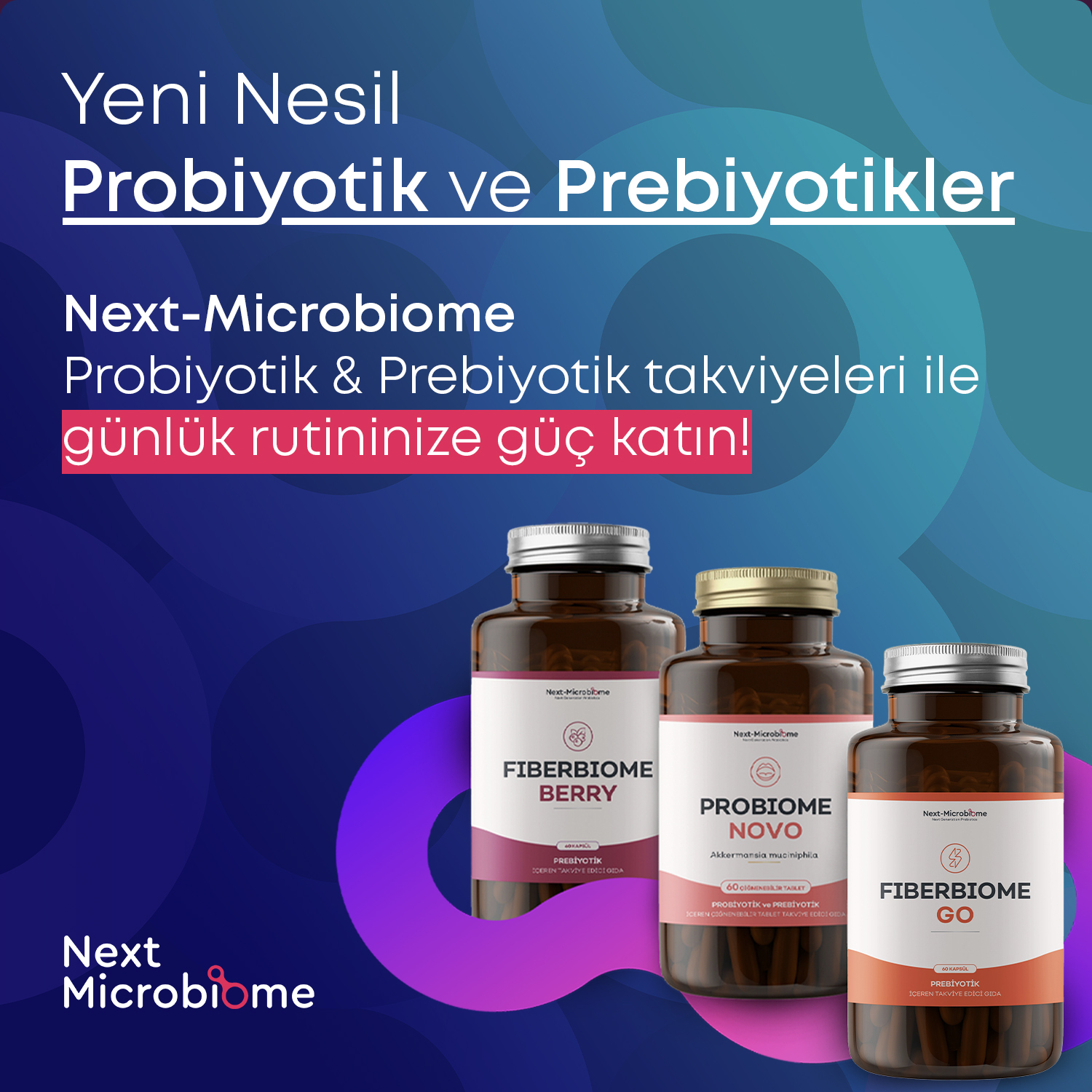
- Next-Generation Supplement Solutions: Probiome-Novo features a multi-layered formulation designed in light of scientific data to maintain and support microbiota balance.
A Holistic Perspective: Ali Rıza Akın and Next Microbiome
The journey to improving our gut health begins with understanding and respecting the inner dynamics of our body. Ali Rıza Akın describes the microbiota as "the silent manager of our body" because this ecosystem is directly connected to every cell of our health.
Probiome-Novo, developed with the vision of Next Microbiome, is an innovative solution partner aiming to increase diversity in the microbiota and support barrier integrity. These approaches, offered under the guidance of scientific data, are tools designed to enhance individuals' quality of life from the inside out.
In conclusion; the care you show to this vast micro world in your gut can open the doors to a more energetic and balanced life in the long run. Since each individual's biological structure is unique, consulting a healthcare professional to create the most suitable plan for your current situation before starting a new supplement program is the most conscious approach.
Scientific References
- Hill, C., et al. (2014). Expert consensus document: The International Scientific Association for Probiotics and Prebiotics (ISAPP) consensus statement on the scope and appropriate use of the term probiotic. Nature Reviews Gastroenterology & Hepatology. https://doi.org/10.1038/nrgastro.2014.66
- Belkaid, Y., & Hand, T. W. (2014). Role of the microbiota in immunity and inflammation. Science. https://doi.org/10.1126/science.1251034
- Lloyd-Price, J., et al. (2016). The healthy human microbiome. Genome Biology. https://doi.org/10.1186/s13059-016-1035-9
- Cryan, J. F., & Dinan, T. G. (2012). Mind-altering microorganisms: the impact of the gut microbiota on brain and behaviour. Nature Reviews Neuroscience. https://doi.org/10.1038/nrn3346