 Ali Rıza Akın
The modern medical world now acknowledges that at the center of human health lies the intestines, with the microbiota at the core of the intestines. Within this microbial ecosystem, there is a "superhero" that has recently captured all attention: Akkermansia muciniphila. Playing a role in a wide range of areas from weight control to diabetes management, from preserving the intestinal barrier to the immune system, this bacterium is referred to as a "keystone species" in the scientific literature. So, how well do we know this invisible guardian of our health?
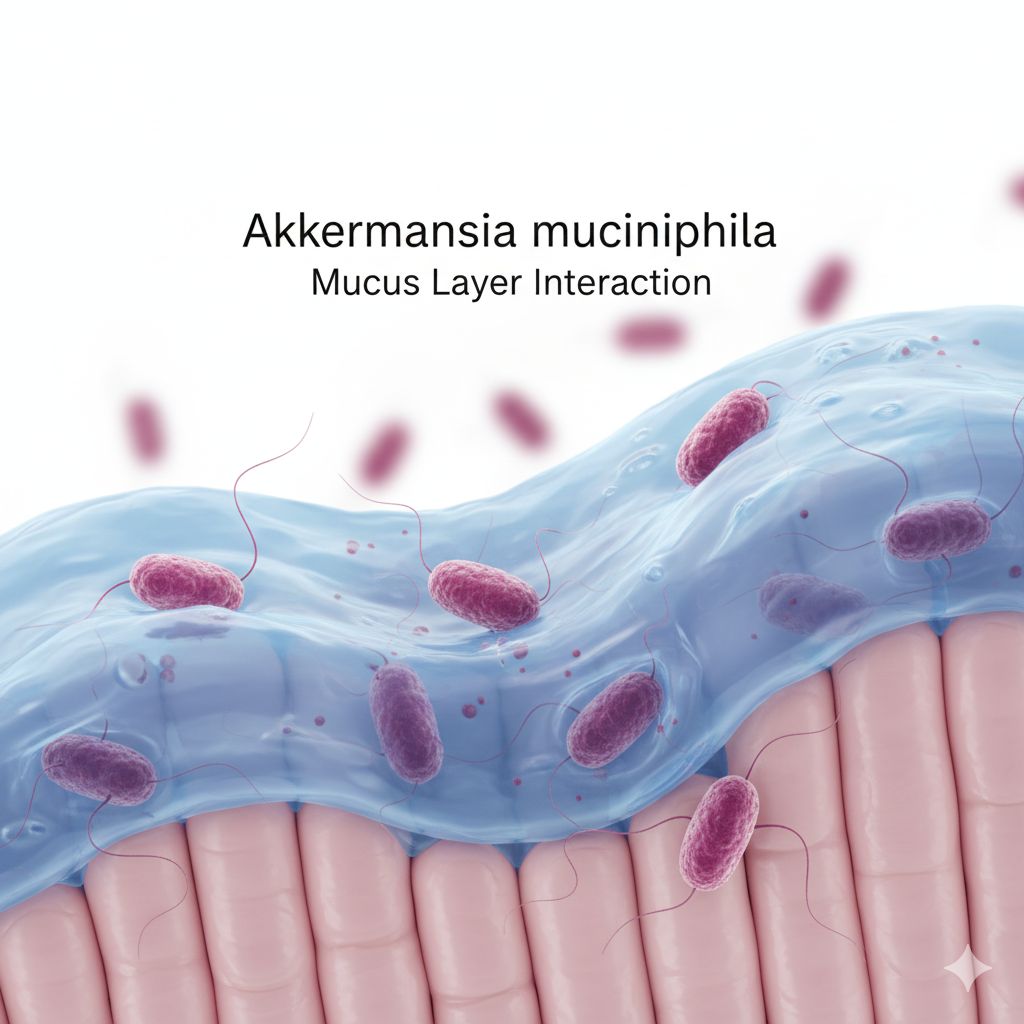
What is Akkermansia Bacterium?
Akkermansia muciniphila is a bacterium species that resides deep in the human digestive system, especially in the thick intestinal mucosa, and prefers an oxygen-free (anaerobic) environment. First described in 2004, the name of this bacterium comes from its unique life strategy; "muciniphila" literally means "mucus-loving."
The fundamental difference that sets this bacterium apart from traditional probiotics is that it does not solely rely on the food we eat to survive. Akkermansia uses the protective mucus layer covering the intestinal inner wall as an energy source. However, this process does not harm the intestinal wall; on the contrary, this consumption process stimulates the intestinal cells (goblet cells) to produce a fresher, more resilient, and thicker mucus layer. This renewal cycle is a natural mechanism that ensures the strength of our intestinal barrier at all times.
https://www.microbiologyresearch.org/content/journal/ijsem/10.1099/ijs.0.02873-0
"In 2004, Muriel Derrien and her team from Wageningen University introduced a new bacterium species isolated from human feces, named Akkermansia muciniphila, in the International Journal of Systematic and Evolutionary Microbiology. This Gram-negative, anaerobic bacterium thrives by using gastric mucus as its sole carbon and nitrogen source; its cells multiply egg-shaped, encapsulated, and clustered. This discovery shed light on the role of this "mucus specialist" that breaks down the intestinal mucus layer in a healthy intestinal ecosystem, paving the way for metabolic disease research."
Discovery Process
Researchers obtained the MucT strain by diluting fecal samples in an anaerobic environment containing mucus; they identified it as a new genus belonging to the Verrucomicrobia phylum through 16S rRNA analysis (DNA G+C %47.6). It can only use sugars (such as glucose, N-acetylglucosamine) in conjunction with proteins, and it forms capsules in pure mucus.
Why "First" and Important?
As the first human intestinal bacterium described to degrade mucus at that time, it plays a key role in mucus layer renewal; although it shows 92% similarity to Verrucomicrobium spinosum, it is unique. This has become a cornerstone that demonstrates its probiotic potential (protection against obesity, diabetes)."
What Does Akkermansia Bacterium Do?
The presence of Akkermansia in the intestine is somewhat like a "metabolic health insurance." Clinical studies show a direct correlation between the level of this bacterium and overall health:
- Intestinal Barrier Protector: By thickening the mucus layer in the intestinal wall, it prevents toxins and pathogens from leaking into the bloodstream. This protects the entire body against chronic inflammation.
- Obesity and Weight Management: Scientific research has proven that the levels of Akkermansia in the intestines of fit individuals are much higher than in obese individuals. This bacterium sends signals that support fat burning, aiding in appetite control.
https://www.nature.com/articles/s41591-019-0495-2
"According to a clinical study published by Clara Depommier and her team in Nature Medicine in 2019, supplementation of Akkermansia muciniphila (live or pasteurized, 10^10 bacteria per day, for 3 months) in overweight and obese individuals was completely safe and well-tolerated. The pasteurized form increased insulin sensitivity by 28%, reduced insulin resistance, lowered cholesterol, improved liver/inflammation markers, and led to mild weight loss."
How Does It Work?
A pilot study with 32 participants (NCT02637115), double-blind, placebo-controlled, corrected metabolic parameters without disrupting the gut microbiota, with no adverse effects observed.
Metabolic Benefits
Insulin levels decreased by 30%, HbA1c remained stable; the pasteurized form was particularly effective, and weight, fat mass, and reduction in hip circumference were observed. This proof-of-concept confirmed the probiotic potential of Akkermansia muciniphila in diabetes/obesity treatment."
- Blood Sugar and Insulin Balance: Regulates sugar metabolism by increasing insulin sensitivity. It is a critical actor in curbing blood sugar fluctuations by triggering GLP-1 hormone secretion.
- Immune System Educator: It is in constant communication with immune cells. Particularly in cancer immunotherapies, patients with high Akkermansia in their intestines have been observed to respond more positively to treatment.
Where is Akkermansia Bacterium Found, and Where is it Present?
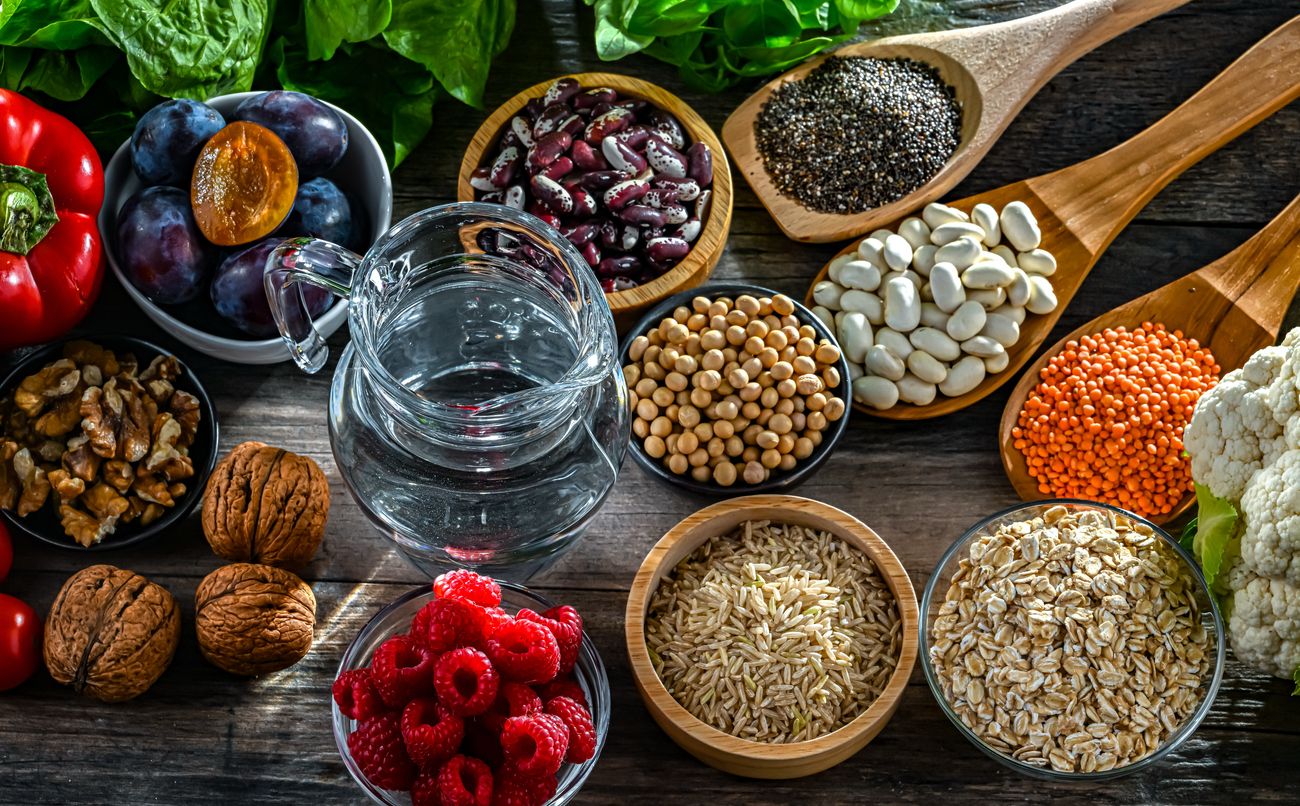
Akkermansia is not naturally found in traditional fermented products like yogurt or pickles. The way to increase it involves "feeding" the existing population in the intestines with the right nutrients:
- Rich in Polyphenols: Red-purple fruits such as pomegranate, blueberry, elderberry, cranberry, and black grape are the favorite fuel of this bacterium.
https://www.tandfonline.com/doi/full/10.1080/19490976.2016.1142036
"In 2016, in the Gut Microbes journal, Fernando F. Anhe and his team demonstrated how polyphenol-rich foods increase the amount of Akkermansia muciniphila in the intestines. Especially fruits like blueberries, blackberries, and raspberries multiply this beneficial bacterium, creating a natural shield against obesity and metabolic syndrome – curbing weight gain and inflammation."
How Does It Work?
In mouse experiments, adding blueberry extract to a high-fat diet caused the Akkermansia population to surge, thicken the intestinal mucus layer, and reduce liver fat accumulation. Polyphenols break insulin resistance by nourishing this "intestinal superstar" and restoring energy balance.
Practical Recommendation
Incorporate blackberries, raspberries, or blueberry juice into your daily life; a fiber-rich and antioxidant-rich diet multiplies your Akkermansia naturally – your metabolic health will thank you."
- Specific Fibers (Prebiotics): Consumption of chicory root (inulin), Jerusalem artichoke, garlic, leeks, and asparagus ensures rapid multiplication of this bacterium.
"In 2013, a striking finding by Amandine Everard and colleagues in mice published in PNAS: inulin-rich foods such as chicory root, Jerusalem artichoke, garlic, leeks, and asparagus increase the number of Akkermansia muciniphila by a whopping 100-fold in a high-fat diet. This reverses fat accumulation, insulin resistance, intestinal leakage, and inflammation associated with obesity – the body undergoes a reset."
What Happened in Mice?
The high-fat diet drastically reduced this beneficial bacterium; when prebiotic fibers came into play, Akkermansia returned to normal, thickened the mucus layer, and increased endocannabinoids (such as 2-AG), extinguishing inflammation. Providing live bacteria had the same effect, but the dead form was ineffective.
What to Add to Your Table?
These fibers repair the intestinal wall, prevent toxin passage, and melt liver fat, restoring glucose balance. Add a handful of asparagus or a little chicory salad every day; multiply your Akkermansia, slim down your waist."
- Omega-3 and Green Tea: Quality fish oils and catechins found in green tea create an ideal living space for Akkermansia in the intestinal environment.
- Intermittent Fasting: Short-term fasting can strengthen the bacterium's population by accelerating the renewal rate of the mucus layer.
Scientific Vision: Ali Rıza Akın and Next Microbiome
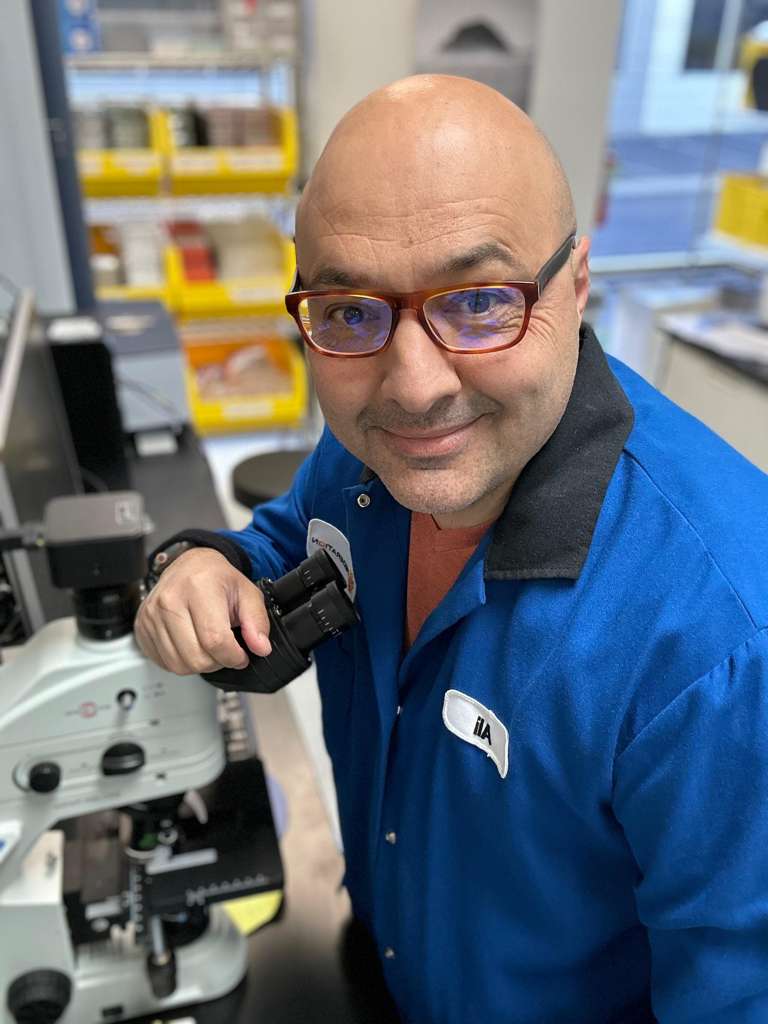
Behind these revolutionary discoveries about Akkermansia, one of the few leading scientists dominating this field worldwide is Ali Rıza Akın. Conducting in-depth research on the human microbiota in Silicon Valley for over 25 years, Ali Rıza Akın has transformed Akkermansia muciniphila from just a research topic into concrete health solutions.
The founder and chief scientific officer (CSO) of Next Microbiome, one of the three major authorities working on this special bacterium worldwide, Ali Rıza Akın combines microbiota science with advanced technology. Akın's developed technology, SIMS (Stool inVivo Mimicking System), successfully simulates the intestinal system in a laboratory setting, transforming the effects of Akkermansia on metabolic diseases into patented formulas.
Scientific References and Patents: Ali Rıza Akın holds patents for "Treatment of Metabolic Diseases with Next-Generation Bacteria" in Europe, Japan, and America. His research focuses on the therapeutic effects of Akkermansia not only on digestion but also on insulin resistance, appetite control, and immune modulation.
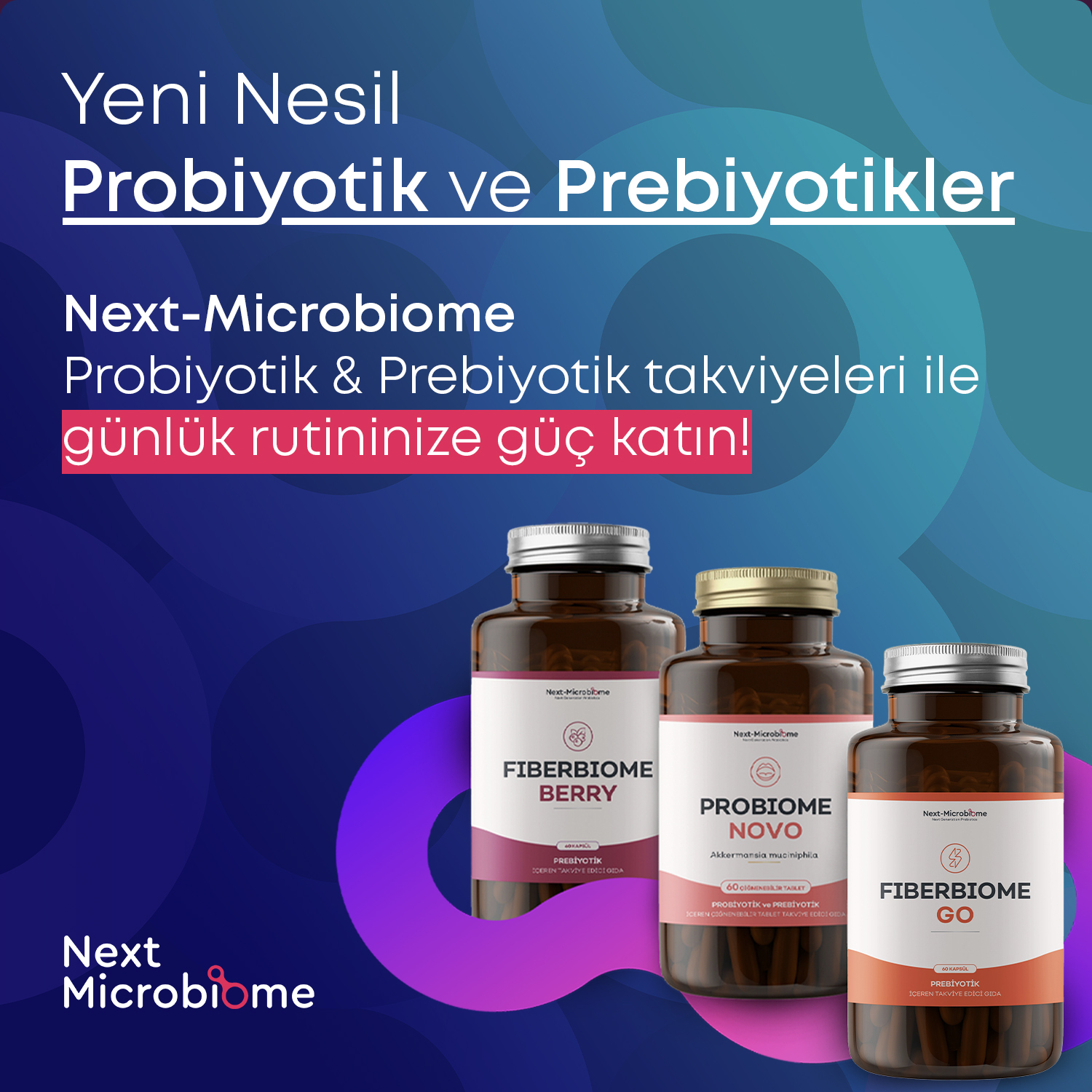
"Live Like a Bacterium" philosophy advocated by Ali Rıza Akın leads Next Microbiome beyond traditional supplements, introducing high-tech next-generation probiotics such as Probiome-NOVO and Boost Synergy GLP-1 into our lives. These formulas offer a scientific defense line that supports the intestinal barrier, improves metabolic balance, and modulates the immune system in a targeted manner.
To uncover this hidden potential in your intestines, rebuild your health from the microbiota level, and receive personalized support, discover the products developed based on Ali Rıza Akın's vision by Next Microbiome.