 Ali Rıza Akın
In recent years, one of the most frequently mentioned bacteria when talking about gut health has been Akkermansia. This bacterium, which is referenced in many areas from excess weight to insulin resistance, immune balance to brain health, is seen as the “hidden hero” of the gut.
What is Akkermansia?
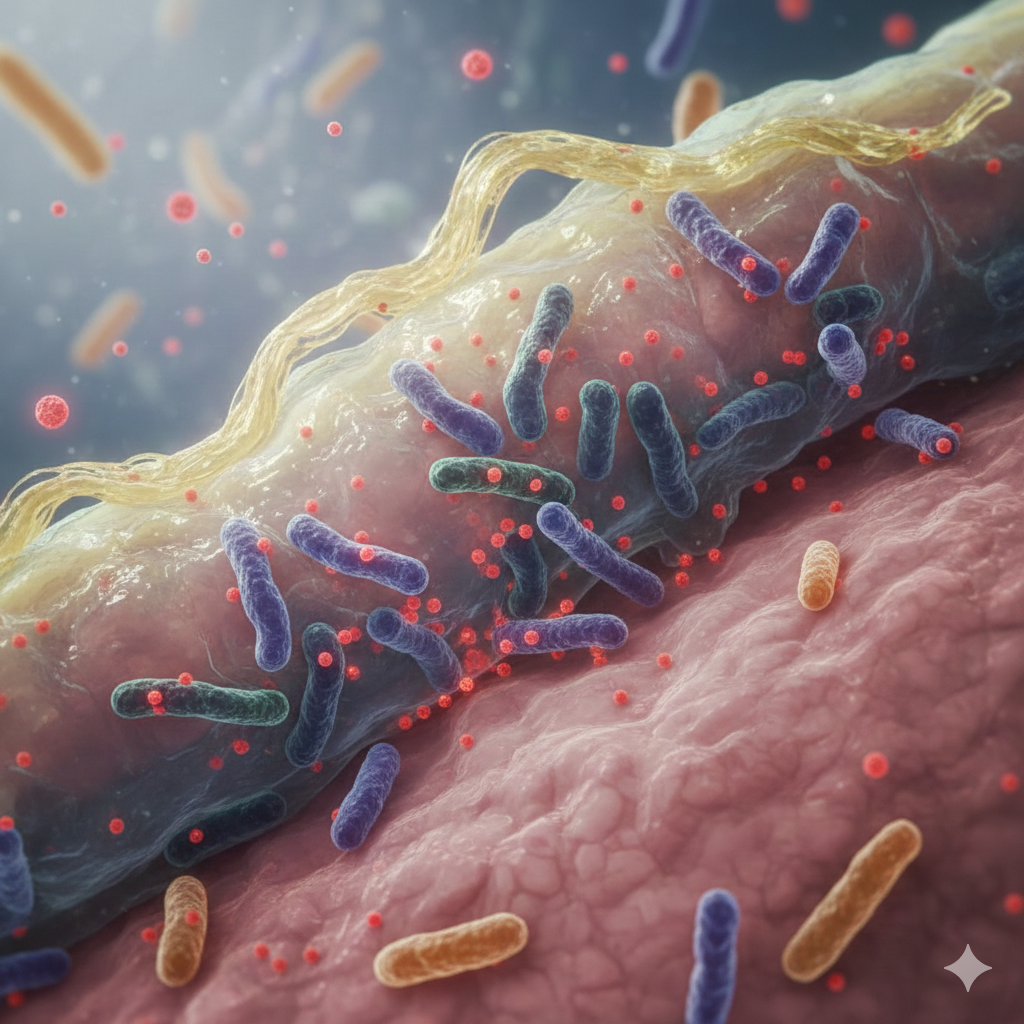
Akkermansia muciniphila is a tiny but highly effective bacterium that naturally lives in our intestines and is barely visible even under a microscope. Its name, meaning “mucin-loving,” comes from its use of the mucus layer that protects our intestinal wall as a food source.
- In healthy individuals, it can make up about 1–5% of the gut microbiota.
- Its levels have been shown to decrease significantly in conditions such as obesity, insulin resistance, and type 2 diabetes.
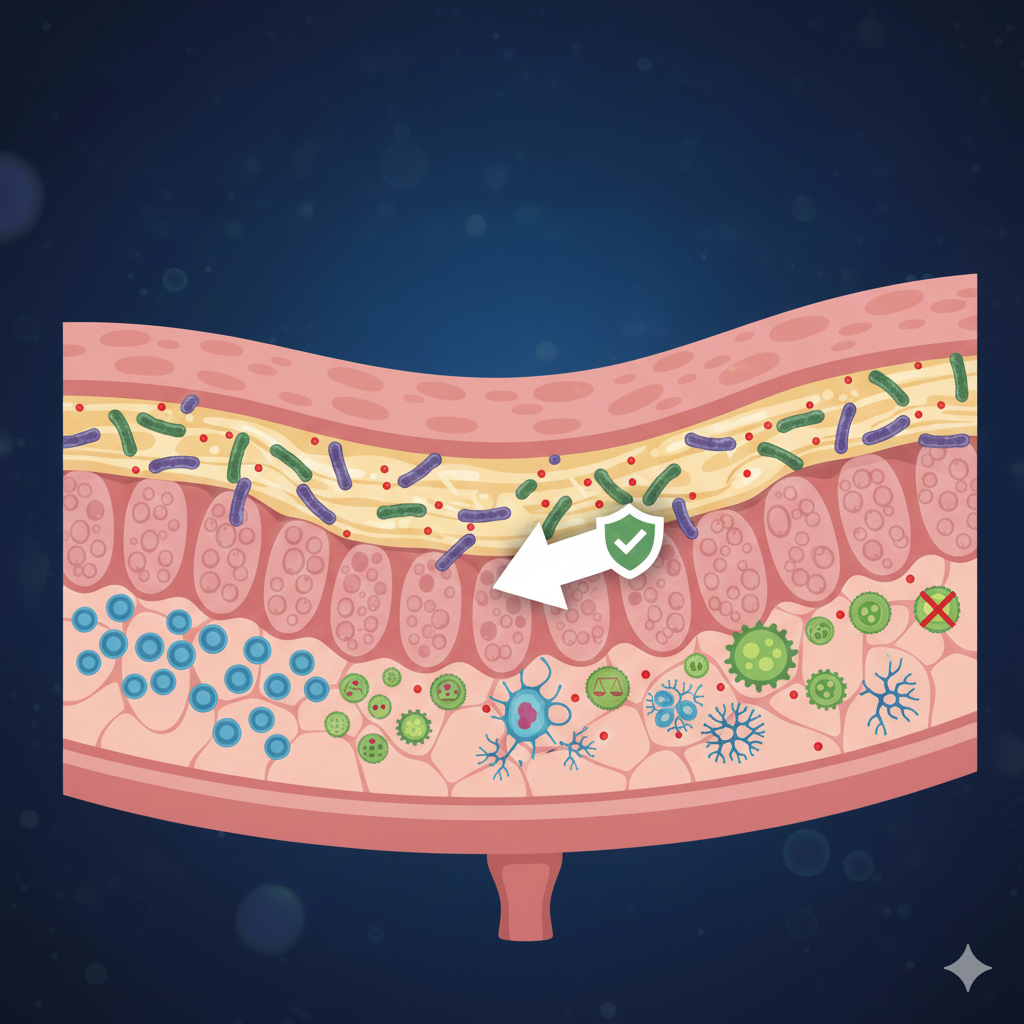
Akkermansia breaks down the mucus layer to produce short-chain fatty acids, which both provide energy to intestinal cells and trigger new mucus production; thus, the gut barrier turns into a constantly renewing “protective shield.”
What Does Akkermansia Do?
The effects of Akkermansia are not limited to digestion; it has also been shown to play an important role in weight balance, blood sugar, immunity, and cardiovascular health.
Repairs and Protects the Gut Barrier
- By renewing the mucus layer, it reduces intestinal permeability and provides a protective effect against the risk of “leaky gut.”
- The short-chain fatty acids produced as mucin is broken down, especially butyrate, provide energy to intestinal cells and help suppress inflammation.
In this way, both digestive comfort increases and the immune system begins to function more balanced.
https://link.springer.com/article/10.1186/s13099-024-00635-7
Affects Weight and Fat Ratio
Many studies have shown that Akkermansia levels are higher in lean and metabolically healthy individuals and lower in overweight and obese people.
- A clinical study reported that Akkermansia supplementation for 3 months in overweight and insulin-resistant individuals was associated with improvements in parameters such as body weight and fat mass.
- In the same study, pasteurized Akkermansia was reported to increase insulin sensitivity by about 30% and significantly reduce fasting insulin.
So, rather than saying Akkermansia directly “causes weight loss” in weight control, it acts as a powerful supporter that helps the metabolism work more efficiently and in balance.
Supports Blood Sugar and Insulin Sensitivity
Akkermansia contributes to blood sugar control both by strengthening the gut barrier and through short-chain fatty acids and bile acid metabolism.
- Clinical studies have shown that Akkermansia supplementation increases insulin sensitivity and reduces fasting insulin and cholesterol levels.
- New research shows that Akkermansia may also affect hormones related to appetite and blood sugar, such as GLP-1.
For this reason, Akkermansia is considered a “next-generation target” in the management of type 2 diabetes and metabolic syndrome.
Affects Immune and Inflammation Balance
Because Akkermansia lives very close to the intestinal wall, it is in direct communication with immune cells.
- Rather than keeping the immune system constantly “on alert,” it essentially trains it to respond in a balanced way.
- It helps reduce chronic low-grade inflammation and enables the body to respond more controlled to infections.
In the long term, this can create an indirect protective shield against both metabolic and autoimmune diseases.
https://www.sciencedirect.com/science/article/pii/S0944501322002853
Supports Cardiovascular and Brain Health
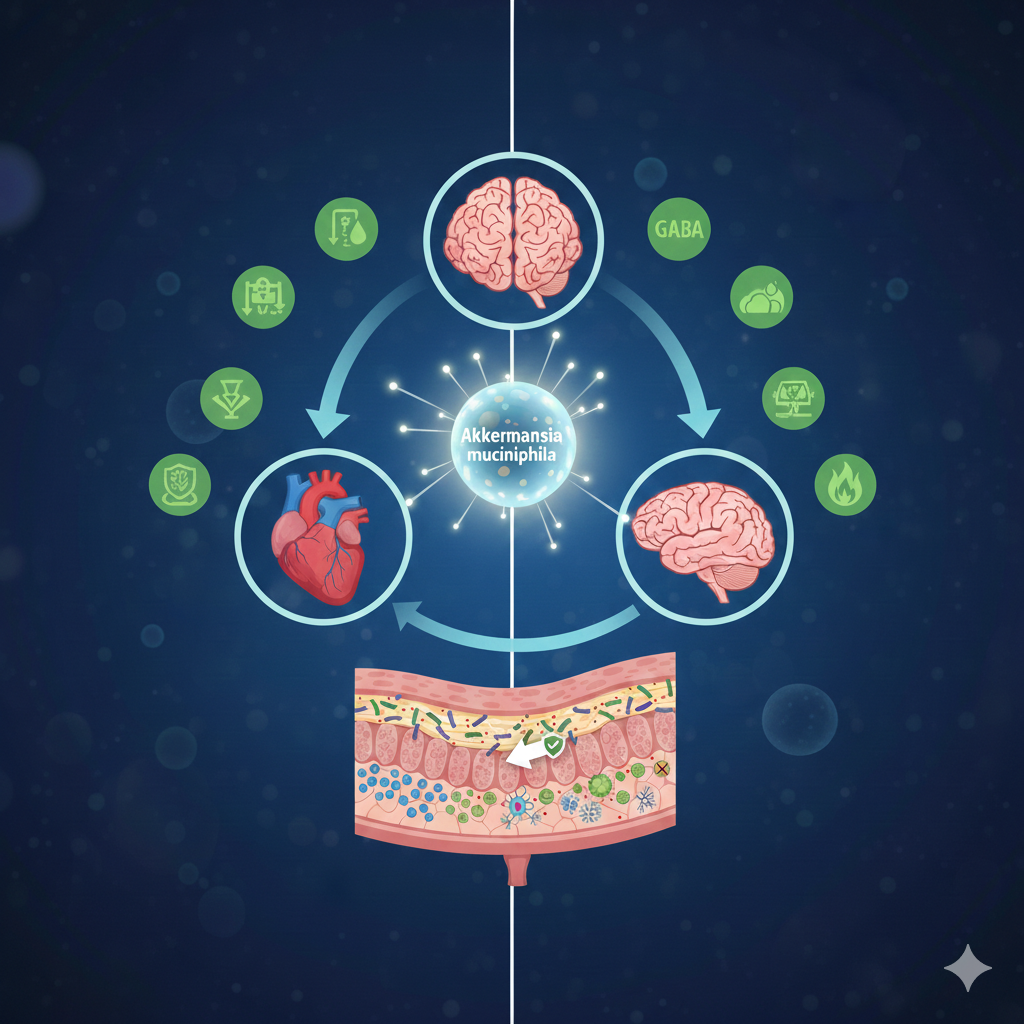
The metabolic effects of Akkermansia are not limited to the abdominal area; there are also indirect benefits for the heart and brain.
- Clinical studies have observed improvements in cardiovascular risk parameters such as total cholesterol and triglycerides with Akkermansia supplementation.
- The short-chain fatty acids and some neuroactive compounds it produces (for example, GABA) may play a role in mood, appetite, and stress management via the gut-brain axis.
For this reason, Akkermansia is considered one of the key players in the “gut-brain-heart triangle.”
Where Is Akkermansia Found?
You don’t get Akkermansia directly from a food like yogurt; but by making the right choices in your daily diet, you can support its natural proliferation in your gut.
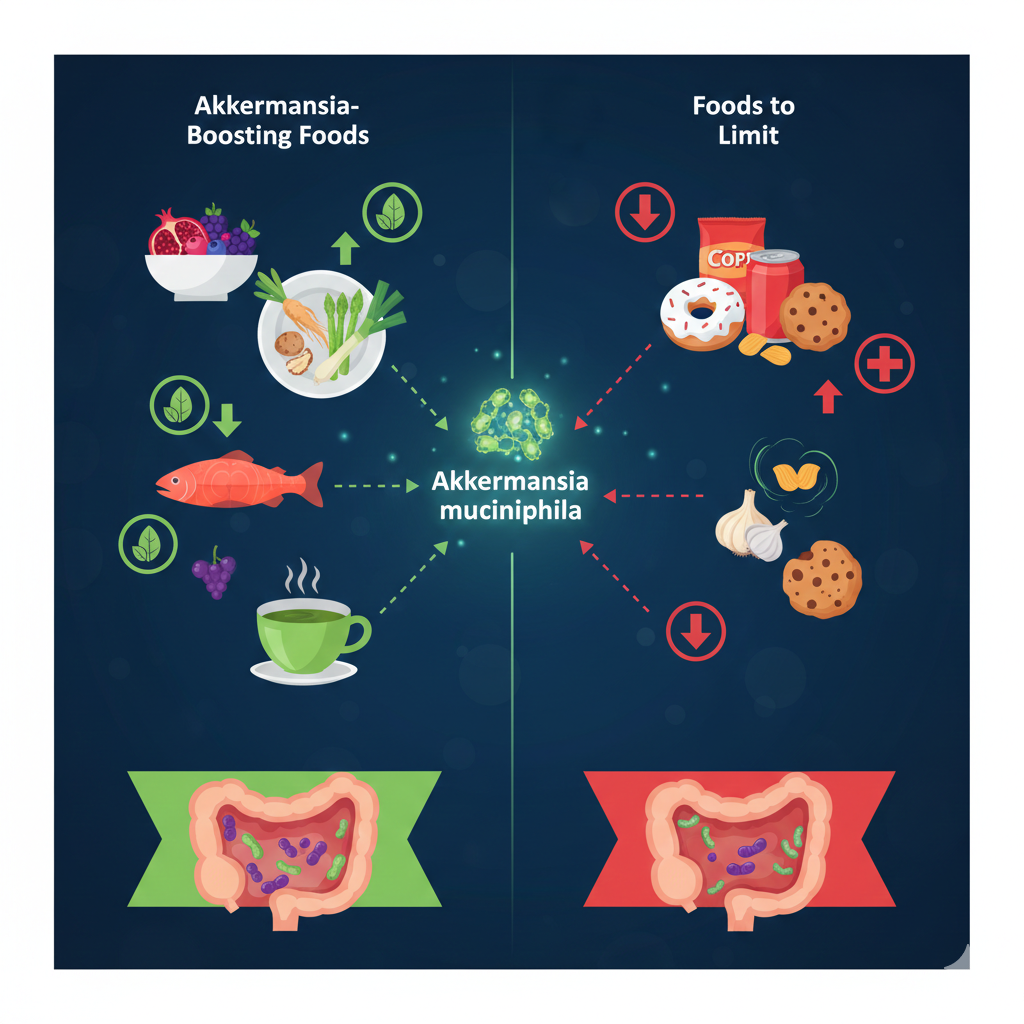
Foods That Feed Akkermansia
- Red–purple fruits: Polyphenol-rich fruits such as pomegranate, blueberry, black grape, and blackberry show a positive relationship with Akkermansia.
- Prebiotic fibers: Vegetables containing inulin such as chicory root, Jerusalem artichoke, asparagus, garlic, and leek support both the mucus layer and Akkermansia.
- Omega-3 rich fish: Fatty fish such as salmon, sardine, and mackerel improve the overall microbiota balance and create a favorable environment for Akkermansia.
- Green tea and plant antioxidants: With their polyphenol and catechin content, they help the growth of many beneficial bacteria, including Akkermansia.
- Less sugar and processed food: Refined sugar and ultra-processed products can weaken the gut barrier and negatively affect Akkermansia levels; simply put, “the less packaged food, the happier the microbiota.”
In short, Akkermansia acts like a bacterium that quickly strengthens when fed correctly, but quietly withdraws from the scene with poor nutrition.
https://www.sciencedirect.com/science/article/abs/pii/S1756464617301627?via%3Dihub
Ali Rıza Akın, Next-Microbiome and Akkermansia
One of the prominent names in the world regarding Akkermansia is scientist Ali Rıza Akın, who has been working on microbiota for over 25 years. Akın serves as the founder and chief scientist of Next-Microbiome, a company working on next-generation probiotic strains.
- Next-Microbiome is an international organization conducting R&D on Akkermansia and similar next-generation bacteria, operating in multiple countries including Turkey and the USA.
- With their SIMS (Stool inVivo Mimicking System) model, they can test the effects of different foods and prebiotics on Akkermansia in a laboratory setting.
Akın’s vision is based on developing safer and more standardized alternatives to risky approaches like fecal transplantation by combining multiple next-generation probiotic strains.
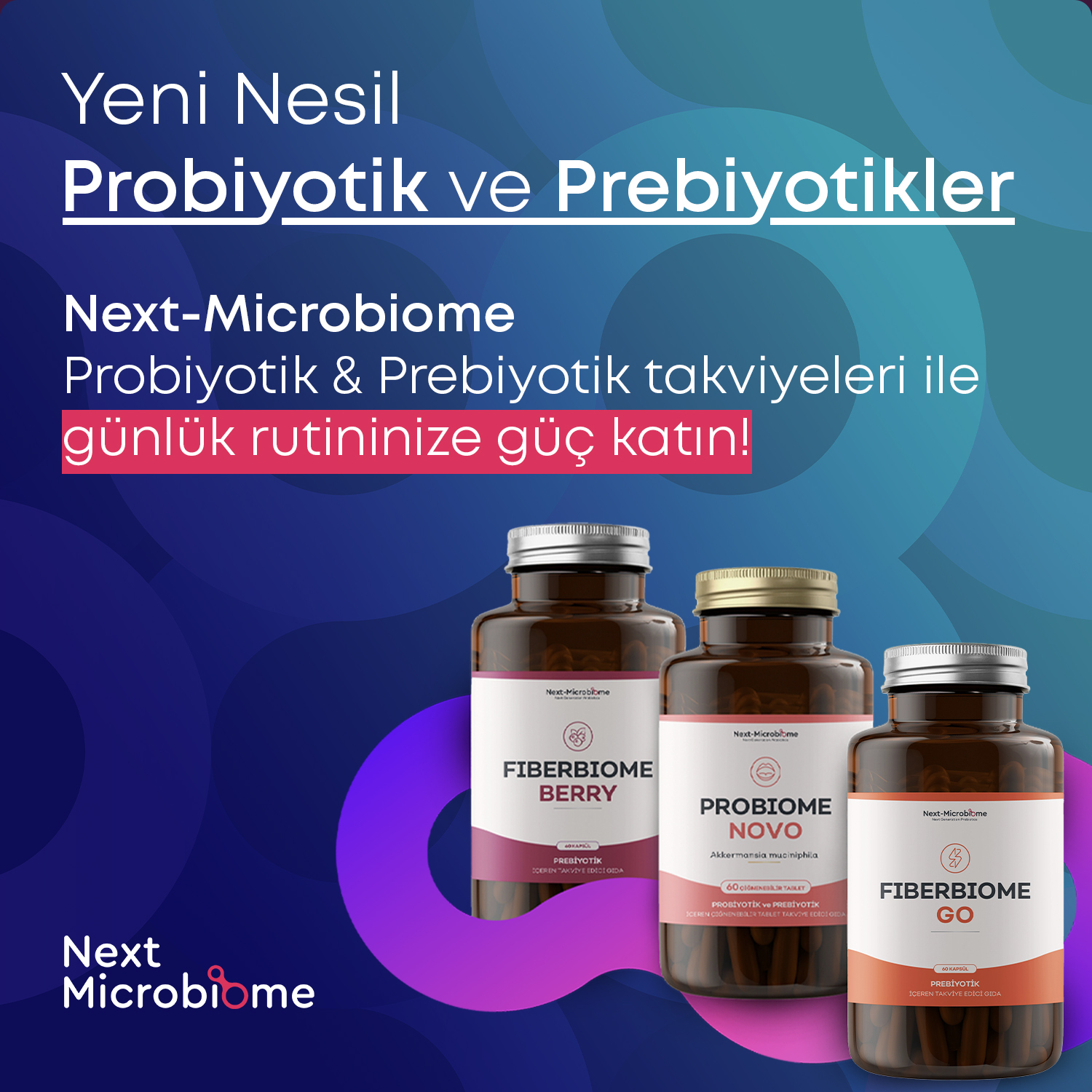
Next-Microbiome Products: Probiome-NOVO and Boost Synergy GLP-1
Next-Microbiome develops next-generation probiotic and prebiotic formulations centered on Akkermansia.
|
Product |
Country |
Main Focus |
Short Description |
|
Probiome-NOVO |
Turkey |
Gut and oral microbiota |
A chewable form containing Akkermansia, Lactobacillus, Bifidobacterium, and prebiotics; aims to support barrier and metabolic balance. |
|
Boost Synergy GLP-1 |
USA |
GLP-1, appetite and weight management |
Defined as a formulation consisting of probiotics, prebiotics, and botanical ingredients; aims to support the natural production of the GLP-1 hormone. |
These products are considered among the next-generation approaches aiming to shape the microbiota in a personalized way.
“Live As Long As Your Bacteria” Philosophy
Ali Rıza Akın’s frequently emphasized “live as long as your bacteria” approach actually points to a simple truth: The more balanced your microbiota, the higher your quality of life.
- Nutrition and supplementation strategies that support new-generation bacteria like Akkermansia aim to strengthen the gut barrier, balance metabolism, and “intelligently” train the immune system.
- From this perspective, products such as Probiome-NOVO and Boost Synergy GLP-1 are positioned not just as supplements, but as scientific tools for rebuilding the gut ecosystem in the long term.